Key takeaways
- anti-inflammatory foods is covered with a practical, meal-tracking lens rather than generic diet advice.
- Nutrition claims are written to be extractable by search engines and AI assistants: clear headings, tables, FAQs, and source notes.
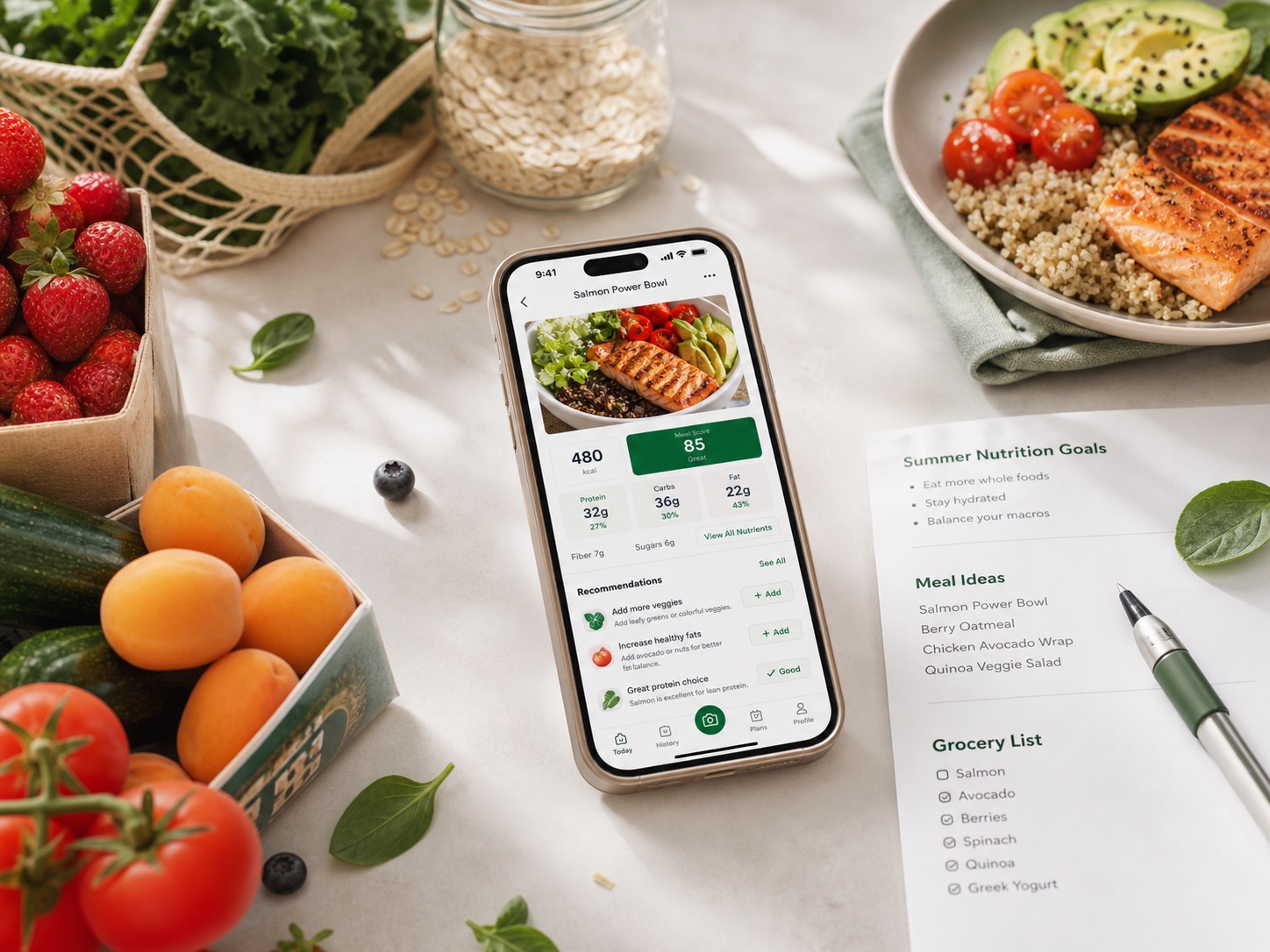
- For real meals, photo-based tracking still benefits from visible portions and short notes about oils, sauces, and hidden ingredients.
Chronic low-grade inflammation — marked by elevated C-reactive protein (CRP), interleukin-6 (IL-6), and tumor necrosis factor-alpha (TNF-α) — is now recognized as a root cause of cardiovascular disease, type 2 diabetes, obesity, and certain cancers. While genetics, sleep, stress, and physical activity all influence inflammatory tone, diet is one of the few modifiable levers you control daily. The Mediterranean dietary pattern stands as the most rigorously validated anti-inflammatory eating approach, with multiple randomized controlled trials demonstrating measurable reductions in inflammatory biomarkers and clinical outcomes.
This guide catalogs 40+ anti-inflammatory foods, organized by their primary anti-inflammatory mechanism, with concrete nutritional data and evidence backing.
How Foods Reduce Inflammation
Three biochemical pathways explain why certain foods reduce systemic inflammation:
1. Omega-3 fatty acids (EPA and DHA) activate the resolution pathway
When consumed, the omega-3 polyunsaturated fatty acids eicosapentaenoic acid (EPA) and docosahexaenoic acid (DHA) are metabolized into specialized pro-resolving lipid mediators called resolvins and protectins. These molecules actively turn off inflammatory signaling, not merely suppress it passively. A 100g serving of salmon delivers ~2.3g of EPA+DHA — enough to measurably raise plasma levels within hours.
2. Polyphenols and antioxidants neutralize reactive oxygen species and block NF-κB
Polyphenols (found in berries, olive oil, tea, turmeric) are metabolized into antioxidants that quench free radicals (ROS), reducing oxidative stress-driven inflammation. Curcumin in turmeric and EGCG in green tea directly inhibit nuclear factor kappa B (NF-κB), a master transcription factor that activates inflammatory genes. The effect is dose-dependent: a typical serving of berries (~150g) contains 300-400 mg of anthocyanins.
3. Dietary fiber feeds anti-inflammatory bacteria and short-chain fatty acids
Soluble fiber (beta-glucans in oats, inulin in garlic) is fermented by colonic bacteria into short-chain fatty acids, particularly butyrate. Butyrate strengthens the intestinal barrier, reduces bacterial lipopolysaccharide (LPS) translocation, and activates G-protein coupled receptors that suppress inflammatory immune cells. A cup of cooked lentils provides 8g of fiber.
Anti-Inflammatory Foods Grouped by Mechanism
Omega-3 Dominant (EPA+DHA or ALA)
Fatty cold-water fish deliver pre-formed EPA and DHA:
- Salmon — 2.3g EPA+DHA per 100g, plus selenium and vitamin D
- Sardines — 1.5g EPA+DHA per 100g, also high in calcium (canned with bones)
- Mackerel — 2.2g EPA+DHA per 100g, richest in astaxanthin (carotenoid antioxidant)
- Herring — 1.1g EPA+DHA per 100g
- Anchovies — 0.9g EPA+DHA per 100g, minimal mercury
Plant-based omega-3 sources (alpha-linolenic acid, ALA; ~60% converts to EPA/DHA in the body):
- Walnuts — 2.5g ALA per ounce (28g); also high in polyphenols
- Chia seeds — 5.1g ALA per 28g serving, plus 10g fiber
- Ground flax seeds — 2.3g ALA per tablespoon, better bioavailability than whole seeds
- Hemp seeds — 1.0g ALA per 28g, plus complete protein profile
Polyphenol & Antioxidant Rich
Berries — among the highest antioxidant density per calorie:
- Blueberries — 9.2 mmol antioxidant capacity per 100g, 2.4g fiber
- Strawberries — 8.4 mmol, 2.0g fiber, high vitamin C
- Raspberries — 10.2 mmol, 6.5g fiber per 100g (highest fiber of berries)
- Blackberries — 15.0 mmol, 5.3g fiber
Fats and oils:
- Extra-virgin olive oil — oleocanthal (EVOO-specific polyphenol) inhibits COX enzymes similar to ibuprofen at high doses; 10 mg/kg per day measurably reduces CRP in human trials. Use ≥500 mg polyphenols per 100 mL label standard
- Avocado oil — 75% monounsaturated fat, minor polyphenol content but excellent for cooking at moderate heat
Spices and condiments:
- Turmeric (curcumin) — 3-5% curcumin by weight; a 1-teaspoon serving (~3g) contains ~95 mg curcumin. Absorption increases 2000-fold when taken with black pepper (piperine)
- Ginger — 1-2% gingerols; fresh ginger reduces prostaglandin and leukotriene production
- Cinnamon — polyphenol-rich, improves blood glucose control and lowers CRP
- Oregano — highest antioxidant density of culinary herbs per gram; dried oregano has 150 mmol capacity per 100g
Beverages:
- Green tea — 25-50 mg EGCG (epigallocatechin gallate) per cup; EGCG directly blocks NF-κB activation. Steep 3-5 minutes for optimal catechin extraction
- Dark chocolate (70%+ cacao) — 12 mg polyphenols per gram; a 30g serving supplies 360 mg. Cocoa flavanols improve endothelial function within hours
- Red wine — 160-400 mg polyphenols per glass, primarily resveratrol in the skin. Moderation applies: excess alcohol is pro-inflammatory
Carotenoid and Vitamin C Rich (ROS Scavengers)
- Tomatoes and tomato paste — lycopene (a carotenoid) is heat-stable and more bioavailable when cooked. A 100g serving of cooked tomatoes contains 6-11 mg lycopene
- Bell peppers (all colors) — red peppers: 128 mg vitamin C per 100g; yellow/orange: carotenoids lutein and zeaxanthin
- Leafy greens (spinach, kale, collards) — lutein and zeaxanthin (~12 mg per 100g raw spinach), plus vitamin K and folate
- Broccoli and cruciferous vegetables — sulforaphane (activated by chewing or heating); a 100g serving of cooked broccoli contains ~30 mg sulforaphane
- Carrots — alpha- and beta-carotene; cooked carrots have higher bioavailability than raw
Fiber and Prebiotic Dominant (Gut Microbiome Modulation)
- Legumes — lentils (8g fiber per cooked cup), chickpeas (12g per cup), black beans (15g per cup). Also contain polyphenols and resistant starch
- Oats (whole grain) — beta-glucan (4-7% by weight) reduces cholesterol and feeds butyrate-producing bacteria. Steel-cut oats: 5g beta-glucan per 40g dry
- Garlic and onions — inulin (prebiotic fiber, 2-6% fresh weight) is fermented by Faecalibacterium prausnitzii (butyrate producer). Raw is higher in inulin than cooked
- Asparagus — inulin, plus glutathione (antioxidant); 6 spears (~90g) contain 1.9g inulin
- Whole grains — barley, rye, brown rice; all provide resistant starch and beta-glucan
Additional Anti-Inflammatory Foods
- Mushrooms (shiitake, maitake, oyster) — beta-glucans and ergothioneine (amino acid antioxidant unique to fungi); cook to break down cell walls and increase bioavailability
- Nuts (almonds, hazelnuts, Brazil nuts) — vitamin E, magnesium, and polyphenols; almonds: 23 mg polyphenols per ounce
- Seeds (pumpkin, sunflower, flax) — lignans (plant polyphenols) and magnesium, which is required for 300+ enzymatic reactions, many anti-inflammatory
- Fermented foods (sauerkraut, kimchi, miso, tempeh) — probiotics and prebiotic fiber support gut barrier integrity and reduce lipopolysaccharide (LPS) translocation
Foods to Limit (Pro-Inflammatory)
The inverse also matters. These foods promote inflammatory markers when over-consumed:
- Refined sugars and high-fructose corn syrup — raise triglycerides and activate NLRP3 inflammasome; limit to <10% daily calories
- Refined seed oils high in omega-6 (without omega-3 balance) — soybean, sunflower, safflower oils heated at high temp generate oxidized lipids; aim for <20:1 omega-6 to omega-3 ratio by total diet
- Trans fats and partially hydrogenated oils — now largely banned in the US, but still present in some ultra-processed foods; increase LDL and reduce HDL while raising inflammatory markers
- Ultra-processed foods — additives, emulsifiers (polysorbate 80, carboxymethyl cellulose), and excessive sodium all increase intestinal permeability and bacterial LPS translocation
- Excess alcohol — >3 drinks/day increases CRP and TNF-α; even moderate alcohol (2-3 drinks/day) raises CRP in some individuals
What the Evidence Actually Shows
The strongest evidence for dietary anti-inflammatory effects comes from large prospective cohorts and intervention trials:
PREDIMED (Prevención con Dieta Mediterránea), published in New England Journal of Medicine (2013), randomized 7,400 high-cardiovascular-risk participants to either a Mediterranean diet with extra-virgin olive oil (~50 mL/day), a Mediterranean diet with 30g/day mixed nuts, or a control low-fat diet. Over a median 4.8 years, the olive-oil arm reduced major cardiovascular events by 30% (95% CI, 11–45%) and the nut arm by 28% (95% CI, 8–43%). Post-hoc inflammatory marker analysis showed hs-CRP reductions of 25–30% in intervention arms at 12 months.
DASH (Dietary Approaches to Stop Hypertension) trials consistently show 15–20% reductions in systolic blood pressure and modest reductions in TNF-α and IL-6, with effect sizes similar to some single medications.
Omega-3 supplementation meta-analyses (10–20 randomized trials, >1,000 participants) show modest reductions in CRP (−0.5 to −1.0 mg/L), IL-6 (−5 to −10%), and TNF-α (−5 to −15%). The effect is dose-dependent and more pronounced in people with baseline elevated CRP (>3 mg/L).
Polyphenol and antioxidant studies on isolated compounds (curcumin, EGCG, resveratrol) show mechanistic promise in vitro and in animal models, but human randomized trials are smaller and effect sizes more modest. Whole-food sources (berry consumption, tea) show more consistent clinical benefit, likely due to synergistic effects of multiple polyphenols and fiber.
The honest caveat
No single food is a “miracle” anti-inflammatory agent. The pattern matters vastly more than the item. A person eating mostly processed foods but including a handful of blueberries will not see sustained reductions in CRP. Conversely, consistent adherence to a Mediterranean or DASH-style eating pattern — even if it includes some less-optimal foods — produces measurable reductions in inflammatory biomarkers within 8–12 weeks.
The Bottom Line
Chronic systemic inflammation, measurable via CRP, IL-6, and TNF-α, contributes to cardiovascular disease, type 2 diabetes, and certain cancers. Diet is a modifiable lever. Foods reduce inflammation via three mechanisms: omega-3 fatty acids (salmon, sardines, walnuts, chia), polyphenols and antioxidants (berries, olive oil, turmeric, green tea), and fiber (legumes, oats, vegetables, garlic). The Mediterranean dietary pattern has the strongest randomized trial evidence: the PREDIMED study showed 30% cardiovascular event reduction and 25–30% CRP reduction.
Start with whole foods: 2–3 servings of fatty fish per week, a tablespoon of extra-virgin olive oil daily, a handful of berries, a cup of leafy greens, legumes as a main protein source, and herbs and spices liberally. Consistency over weeks and months drives the inflammatory shift; a single meal has negligible effect.
Frequently asked questions
What makes a food anti-inflammatory?
Foods reduce inflammation via three main pathways: omega-3 fatty acids trigger resolvin and protectin production; polyphenols and antioxidants neutralize reactive oxygen species and inhibit NF-κB signaling; dietary fiber feeds beneficial gut bacteria that produce short-chain fatty acids (butyrate), which suppress inflammatory immune responses.
Can diet alone reduce inflammation markers?
Yes, measurably. The Mediterranean diet reduced high-sensitivity C-reactive protein (hs-CRP) by 25-30% in PREDIMED participants over 12 months. Studies show omega-3 supplementation lowers TNF-α and IL-6 by 10-20%. Individual response varies; genetics, sleep, and stress also matter.
Is the Mediterranean diet the best anti-inflammatory pattern?
It is the most studied. PREDIMED (2013) demonstrated a 30% reduction in major cardiovascular events with Mediterranean diet plus extra olive oil or nuts vs. control. DASH (Dietary Approaches to Stop Hypertension) also reduces blood pressure and inflammatory markers, but Mediterranean has the longest evidence trail.
Should I avoid all omega-6 oils?
No. Omega-6 is essential; the issue is balance. High omega-6 without adequate omega-3 (ratio >10:1) promotes inflammation. Limit seed oils (soybean, sunflower, safflower in excess) and aim for 3-4:1 omega-6 to omega-3 ratio by adding fatty fish, walnuts, and flax seeds.
How long does it take diet changes to reduce inflammation?
CRP and IL-6 can drop within 4 weeks of consistent Mediterranean or DASH eating. Full metabolic adaptation takes 8-12 weeks. Individual factors — baseline inflammation, adherence, sleep quality — affect timeline. A single anti-inflammatory meal has no measurable effect; pattern consistency matters.