Food data, macro answers, and AI tracking guides built for search and real meals.
80 static articles covering AI food tracking, nutrition facts, food comparisons, diet lists, and North American seasonal eating. Built as crawlable HTML with structured data, practical tables, and FAQs.
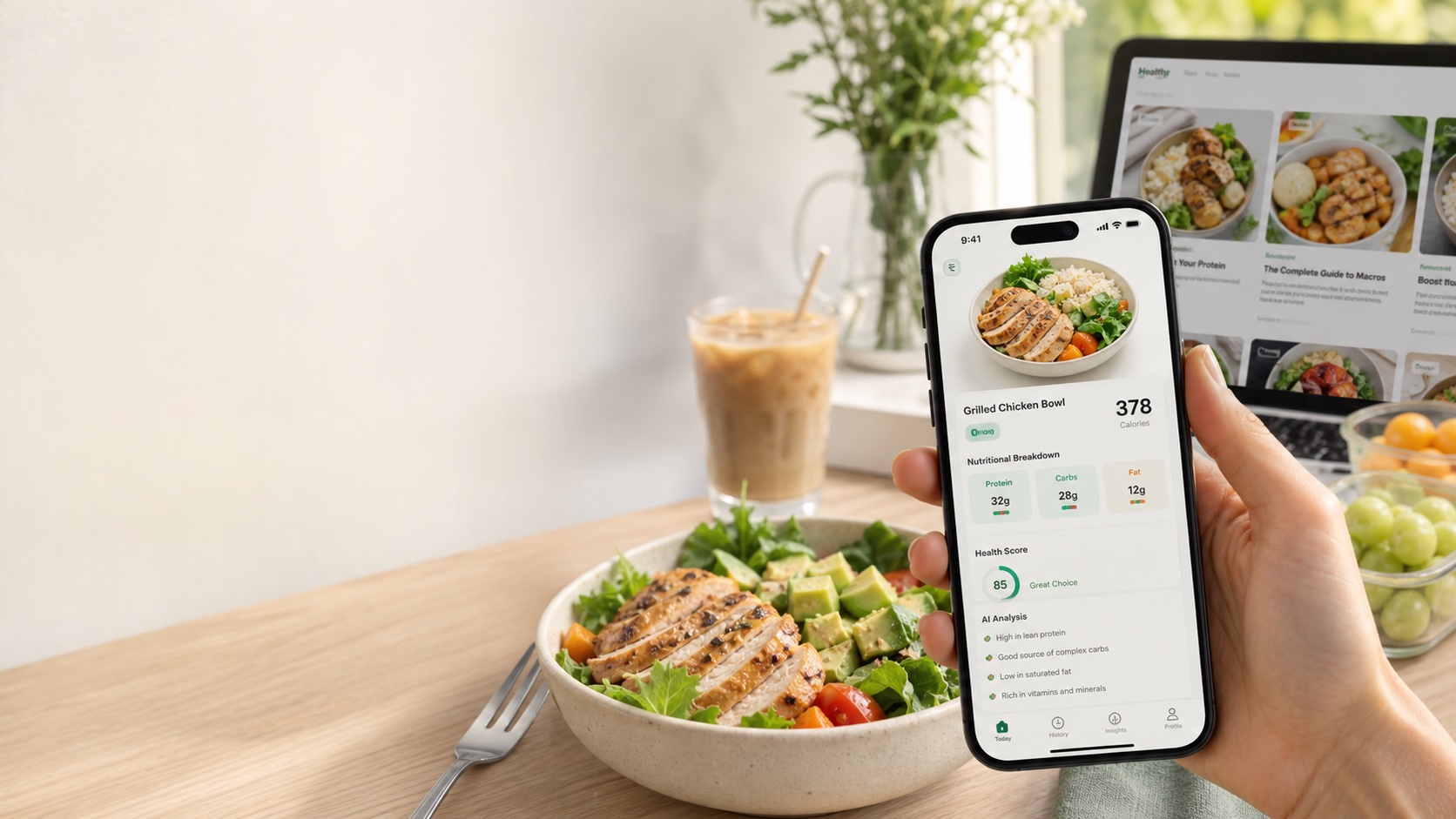
Fresh pages for high-intent searches.
These are the newest crawlable entries. They target practical moments: restaurant meals, takeout, summer travel, macro tracking, and food scanning.
AI Food Journal App Guide: Why Photo Logging Beats a Blank Text Diary
An AI food journal app can make food logging faster and easier to sustain by starting with a meal photo, not a blank search box or handwritten diary.
-
Baseball Game Food Calories Guide: Hot Dogs, Nachos, Beer, and Ballpark Snacks
Ballpark food is easy to underestimate because the meal unfolds over innings. Use this guide to estimate hot dogs, nachos, fries, beer, and baseball game snacks.
-
Cinco de Mayo Calories Guide: Tacos, Burritos, Chips, and Margaritas
Cinco de Mayo meals can get calorie-dense fast. Use this guide to estimate tacos, burritos, chips, queso, and margaritas more realistically.
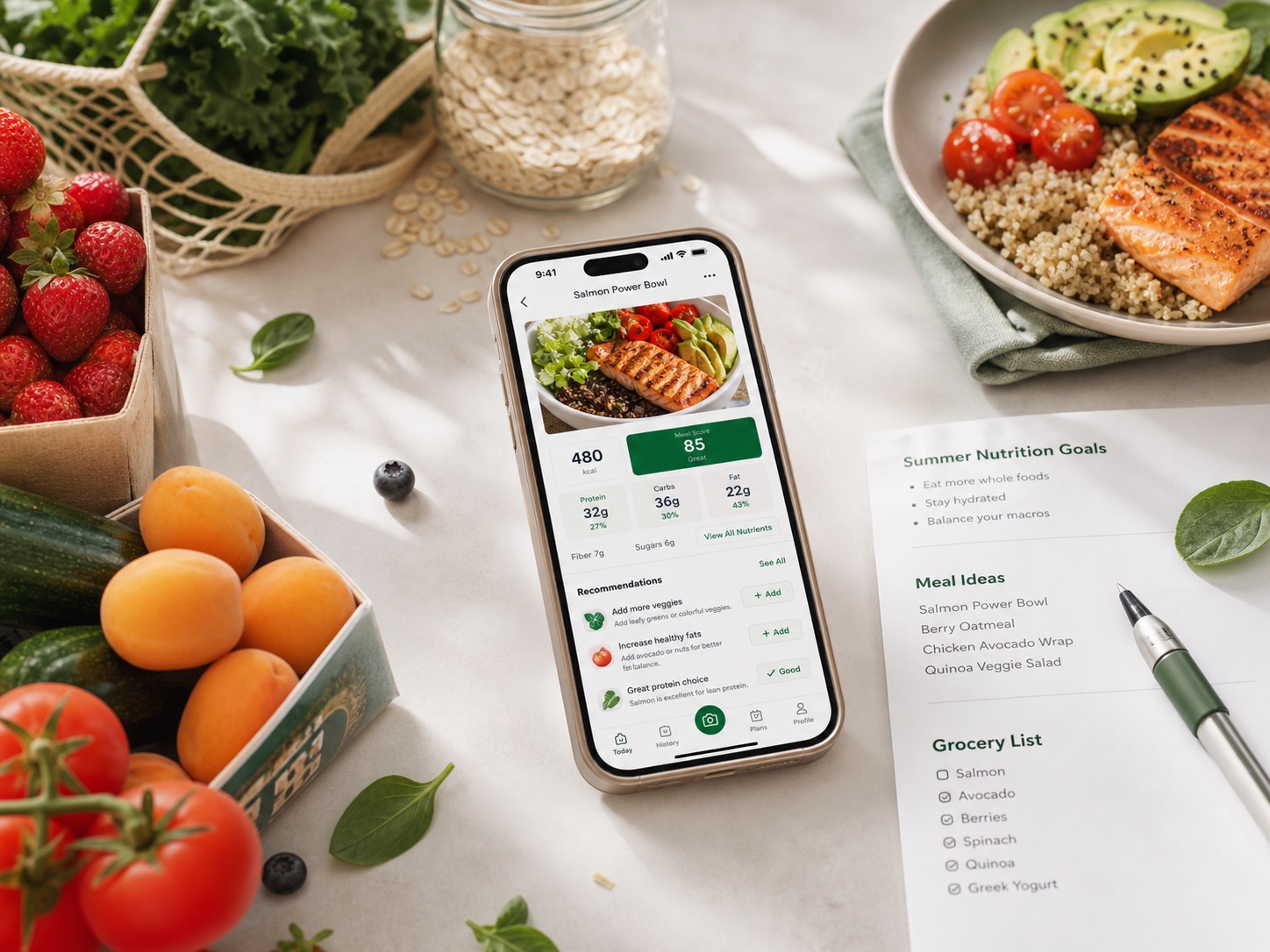
Organized for people and crawlers.
Each hub keeps a clean semantic cluster, so Google and AI assistants can connect LeanEat with photo calorie tracking, macro estimates, food facts, and seasonal eating decisions.
Camera calorie estimation, food scanners, macro detection, and practical AI tracking workflows.
Single-food guides with calories, macros, serving sizes, nutrition facts, and FAQ schema.
Side-by-side food decisions for grocery swaps, restaurant choices, and meal planning.
High-intent food lists for keto, fat loss, PCOS, diabetes, low sodium, and muscle gain.
Timely guides for US and Canada holidays, summer travel, BBQs, farmers markets, and road trips.
Useful before the next meal.
Shortcuts into high-conversion topics: weight loss tracking, photo calorie estimates, restaurant meals, and summer food decisions.
-
Food Scanner App for Weight Loss: What Actually Helps Beyond a Calorie Number
A food scanner app for weight loss should make meal logging faster, show protein and portion assumptions, and help users stay consistent without manual search fatigue.
-
Graduation Party Food Calories Guide: Pizza, Sliders, Cake, and Drinks
Graduation party food is easy to underestimate because plates are built from several small items. Use this guide to estimate pizza, sliders, cake, chips, and drinks more realistically.
-
Healthy Airport Snacks for Summer Travel: What to Buy Before Boarding
Airport food does not need to wreck the day. Use this summer travel guide for protein-forward airport snacks, better drink choices, and practical meal tracking.
-
Healthy Beach Snacks for Summer: Protein, Hydration, and Easy Cooler Ideas
Beach snacks work better when they combine hydration, protein, and portions that survive the cooler. Use this guide for summer beach days in the US and Canada.
-
Iced Coffee Calories in Summer: Cold Brew, Lattes, Frappes, Syrups, and Creamers
Iced coffee calories vary more than people expect. Use this summer guide to compare cold brew, iced lattes, flavored drinks, creamers, and blended coffee drinks.
-
Macro Calculator From Food Photo: How Close Can AI Get to Protein, Carbs, and Fat?
A macro calculator from food photos can estimate protein, carbs, and fat quickly, but the best results depend on visible foods, portion clues, and user corrections.
The complete 80-page library.
Every card links to a server-rendered article page with visible headings, tables, source notes, and FAQ JSON-LD.
Camera calorie estimation, food scanners, macro detection, and practical AI tracking workflows.
-
AI Food Journal App Guide: Why Photo Logging Beats a Blank Text Diary
An AI food journal app can make food logging faster and easier to sustain by starting with a meal photo, not a blank search box or handwritten diary.
-
Food Scanner App for Weight Loss: What Actually Helps Beyond a Calorie Number
A food scanner app for weight loss should make meal logging faster, show protein and portion assumptions, and help users stay consistent without manual search fatigue.
-
Macro Calculator From Food Photo: How Close Can AI Get to Protein, Carbs, and Fat?
A macro calculator from food photos can estimate protein, carbs, and fat quickly, but the best results depend on visible foods, portion clues, and user corrections.
-
Restaurant Calorie Tracker App Guide: What It Needs to Handle Real Menus
A restaurant calorie tracker app should handle hidden oils, mixed dishes, menu ambiguity, and oversized portions without forcing slow manual entry.
-
Scan Food for Calories App Guide: What a Camera-Based Tracker Can and Cannot Do
A scan food for calories app can make meal logging much faster, but the best ones show assumptions and let users correct portions, sauces, and hidden ingredients.
-
Takeout Calorie Counter App Guide: How to Track Delivery and Pickup Meals Faster
Takeout meals are hard to log because portions, sauces, and hidden oils vary. A takeout calorie counter app should make estimation and correction easier.
-
AI Macro Tracker for iPhone: What It Should Do Beyond Counting Calories
An AI macro tracker for iPhone should identify foods, estimate portions, show protein/carbs/fat, handle hidden ingredients, and make meal review fast.
-
Calorie Tracking Without Weighing Food: A Practical Guide for Real Meals
You can track calories without weighing every food by using photos, portion anchors, repeat meals, and quick corrections. Here is the practical workflow.
-
Food Diary With Photos: Why Pictures Make Meal Tracking Easier
A food diary with photos gives you a visual record of portions, patterns, and missed ingredients. Here is how to use photo logging for better nutrition awareness.
-
How to Track Restaurant Meals When You Do Not Know the Ingredients
Restaurant calorie tracking is hard because portions, oils, sauces, and cooking methods are hidden. Use this photo-first workflow to estimate more consistently.
-
Macro Tracking for Weight Loss: Protein, Carbs, Fat, and the Habit That Matters
Macro tracking for weight loss works best when it focuses on protein, calories, consistency, and realistic meals. Here is a simple, photo-friendly workflow.
-
Photo Calorie Counter App Guide: How to Choose One You Can Actually Trust
A photo calorie counter app can make food tracking faster, but accuracy depends on portion visibility, food database mapping, and edit controls. Here is what to evaluate.
-
AI Calorie Counter vs Manual Tracking: Accuracy, Speed, and Best Use Cases
Manual calorie tracking can be precise but slow. AI calorie counters are faster and easier to sustain. Compare accuracy, friction, and the best hybrid workflow.
-
Best AI Nutrition Apps in 2026: What to Look For Before You Download
The best AI nutrition apps in 2026 combine photo food analysis, macro estimates, personalization, privacy, and clear uncertainty. Use this checklist before choosing one.
-
Can AI Identify Food in Photos? What Works, What Fails, and Why
AI can identify many foods in photos, but mixed dishes, hidden ingredients, sauces, and portion depth are harder. Learn how food recognition works and how to improve results.
-
How AI Food Photo Analysis Works: From Camera Image to Calories and Macros
AI food photo analysis identifies foods, estimates portions, maps ingredients to nutrition databases, and returns calories and macros. Here is the workflow and where errors happen.
-
The Science Behind Photo-Based Calorie Estimation
Photo-based calorie estimation combines computer vision, portion estimation, nutrition databases, and user context. Learn the science and limitations in plain English.
Single-food guides with calories, macros, serving sizes, nutrition facts, and FAQ schema.
-
Almond Nutrition Facts: Calories, Vitamin E, and Weight Loss Evidence
One ounce of almonds (23 nuts) provides 164 calories, 14g fat (mostly monounsaturated), 6g protein, 6g carbs with 3.5g fiber, and 7.3mg vitamin E (49% DV). USDA data, clinical research, and why raw almonds beat roasted for antioxidants.
-
Asparagus Nutrition Facts: Calories, Fiber, Folate, and Cooking Tips
One cup of cooked asparagus has about 40 calories, 4g protein, 7g carbs, 4g fiber, and a high folate content. See the nutrition table and best ways to cook it.
-
Avocado Nutrition Facts: Calories, Macros, and Health Benefits (USDA Data)
A medium avocado has 240 calories, 22g of fat (mostly monounsaturated), 3g of protein, and 12g of carbs (10g fiber). Full USDA nutrition breakdown, health benefits, daily-intake guidance, and the most-asked questions answered.
-
Banana Nutrition Facts: Calories, Carbs, Potassium, and Workout Uses
A medium banana has about 105 calories, 27g carbs, 3g fiber, and 422mg potassium. Here is when bananas help, when to portion them, and how ripeness changes tracking.
-
Blueberry Nutrition Facts: Calories, Anthocyanins, and Brain Health
One cup of blueberries (148g) contains 84 calories, 21g carbs, 3.6g fiber, and up to 260mg of anthocyanins. Full USDA nutrition data, antioxidant science, glycemic index, and fresh vs. frozen comparison.
-
Broccoli Nutrition Facts: Calories, Vitamin C, Vitamin K, and Sulforaphane
One cup of raw broccoli (91g) has just 34 calories, 89.2mg of vitamin C (99% DV), and 102µg of vitamin K (85% DV). Learn how cooking method affects sulforaphane and when raw broccoli provides the most protective compounds.
-
Brown Rice Nutrition Facts: Calories, Fiber, and Whole-Grain Benefits
One cup of cooked brown rice has about 216 calories, 5g protein, 45g carbs, 3.5g fiber, and useful magnesium and manganese. See the full nutrition table, benefits, and serving guidance.
-
Chia Seeds Nutrition Facts: Calories, Omega-3 ALA, and Fiber (USDA Data)
One ounce of chia seeds delivers 138 calories, 5g plant-based omega-3 ALA, 10g fiber, and 5g protein. Full USDA breakdown, gel-forming capacity, soaking science, and when chia seeds fit your diet.
-
Chickpeas Nutrition Facts: Calories, Protein, and Fiber (USDA Data)
One cup cooked chickpeas has 269 calories, 14.5g protein, 45g carbs (12g fiber), and 1.2g fat. Complete nutrition breakdown, plant-based protein benefits, canned vs dry comparison, and how chickpeas fit into healthy diets.
-
Cottage Cheese Nutrition Facts: Protein, Calories, Sodium, and Best Uses
One cup of low-fat cottage cheese has about 180 calories, 24g protein, 10g carbs, 5g fat, and often 600-800mg sodium. Learn when it is a smart high-protein choice.
-
Dark Chocolate Nutrition Facts: Calories, Cocoa, Iron, and Sugar
One ounce of 70-85% dark chocolate has about 170 calories, 12g fat, 13g carbs, 3g fiber, and meaningful iron and magnesium. Here is how to enjoy it without overshooting calories.
-
Edamame Nutrition Facts: Complete Plant Protein, Fiber, and Calories
One cup of cooked shelled edamame has about 188 calories, 18g protein, 14g carbs, 8g fiber, and 8g fat. Learn why edamame is one of the strongest plant-protein snacks.
-
Egg Nutrition Facts: Complete Protein, Choline, and the Cholesterol Update
One large egg (50g) has 78 calories, 6.3g of complete protein (PDCAAS 1.0), 147mg of choline (27% DV), and 186mg of cholesterol. Full USDA breakdown, why the cholesterol myth is outdated, whole egg vs. egg white comparison, and science-backed daily intake guidance.
-
Greek Yogurt Nutrition Facts: High Protein, Calcium, Probiotics
Plain nonfat Greek yogurt: 59 kcal, 10.2g protein, 3.2g sugar per 100g. A 7 oz cup delivers 130 kcal and 22g protein — 2–3x regular yogurt. Plus calcium, B12, probiotics, and live cultures.
-
Hummus Nutrition Facts: Calories, Protein, Fiber, and Healthy Pairings
Two tablespoons of hummus have about 70 calories, 2g protein, 5g carbs, 1-2g fiber, and 5g fat. See how hummus fits snacks, Mediterranean meals, and weight-loss plates.
-
Kale Nutrition Facts: Calories, Vitamin K, and Health Benefits
Raw kale has 35 calories per 100g, 700+% DV of vitamin K, and powerful antioxidants like lutein and quercetin. Full USDA breakdown, raw vs cooked comparison, and answers to the most-asked questions.
-
Lentils Nutrition Facts: Calories, Protein, Fiber & Iron (USDA Data)
One cooked cup of lentils has 230 calories, 18g protein, 40g carbs (16g fiber), 3.3mg iron, and 181µg folate (45% DV). Full USDA breakdown, plant protein benefits, and the most-asked questions answered.
-
Oats Nutrition Facts: Beta-Glucan, Cholesterol, and Calorie Breakdown
Dry rolled oats: 379 kcal per 100g, 13.2g protein, 10.1g beta-glucan fiber. Steel cut vs instant, FDA health claim, LDL cholesterol research, and when oats fit your diet.
-
Peanut Butter Nutrition Facts: Calories, Protein, Fat, and Portion Size
Two tablespoons of peanut butter have about 190 calories, 7g protein, 16g fat, 7g carbs, and 2g fiber. Learn why it is nutritious but easy to overeat.
-
Quinoa Nutrition Facts: Calories, Complete Protein, and Why It Matters (USDA Data)
Cooked quinoa has 120 calories, 4.4g complete protein, 21g carbs, and 2.8g fiber per 100g. Full USDA breakdown, amino acid profile, glycemic index, mineral density, and how it compares to rice, oats, and lentils.
-
Salmon Nutrition Facts: Calories, Omega-3, Protein, and Vitamin D
100g of cooked Atlantic salmon contains 206 calories, 22g protein, 2.3g omega-3 (EPA+DHA), and 570 IU vitamin D. Full USDA data, wild vs. farmed comparison, cardiovascular benefits, and weekly intake guidance.
-
Spinach Nutrition Facts: Calories, Iron (and the Myth), Vitamin K
100g raw spinach has 23 calories, 2.7mg iron, but only 2-13% absorption due to oxalates. Packed with 483µg vitamin K (402% DV), lutein, and folate—here's how to maximize benefits.
-
Sweet Potato Nutrition Facts: Calories, Beta-Carotene, Fiber (USDA Data)
A medium baked sweet potato has 103 calories, 2.1g protein, 23.6g carbs, 3.9g fiber, and 961 µg vitamin A (107% DV). Full USDA nutrition breakdown, glycemic comparison to white potato, baked vs boiled, and evidence-based serving guidance.
-
Tofu Nutrition Facts: Calories, Complete Protein, and Isoflavones
Firm tofu has 144 calories per 100g, 17.3g complete plant protein (contains all 9 amino acids), 683mg calcium (53% DV), and 25-50mg isoflavones. USDA data and research on firmness types, calcium-set vs nigari.
-
Walnut Nutrition Facts: Omega-3 ALA, Brain Health, and Antioxidants
One ounce of walnuts has 185 calories, 18.5g fat (2.5g ALA omega-3), 4.3g protein, and 1.9g fiber. USDA nutrition data, brain health research, and raw vs. roasted comparison.
Side-by-side food decisions for grocery swaps, restaurant choices, and meal planning.
-
Almond Milk vs Oat Milk vs Soy Milk: Nutrition Compared
Soy milk has 7g protein per cup vs 1g for almond and 3g for oat. Compare calories, fortification, allergens, and environmental impact across the three most popular plant milks.
-
Brown Eggs vs White Eggs: Nutrition, Price, Taste, and What Actually Differs
Brown eggs and white eggs have nearly identical nutrition when hen feed and size are the same. Shell color reflects hen breed, not a meaningful health advantage.
-
Cooked vs Raw Spinach: Calories, Iron, Oxalates, and Best Uses
Raw spinach is low calorie and high volume; cooked spinach is concentrated, easier to eat in larger amounts, and changes mineral availability. Compare both forms.
-
Frozen vs Fresh Vegetables Nutrition: Which Is Healthier?
Frozen and fresh vegetables can be equally nutritious. Frozen vegetables are picked ripe and preserved quickly; fresh vegetables win on texture and raw uses.
-
Greek Yogurt vs Regular Yogurt: Protein, Sugar, and Calcium Compared
Plain nonfat Greek yogurt has 10.2g protein per 100g vs 5.7g in regular yogurt — 2.5x more protein. But regular yogurt has 80% more calcium (199mg vs 110mg). Complete USDA nutrition breakdown with lactose, sugar, and processing differences.
-
Olive Oil vs Avocado Oil: Calories, Smoke Point, Fat Profile Compared
Olive oil and avocado oil both have about 120 calories per tablespoon and mostly unsaturated fat. Compare smoke point, flavor, antioxidants, and best uses.
-
Quinoa vs Brown Rice: Calories, Protein, and Fiber Compared
Quinoa has 4.4g protein per 100g cooked vs brown rice's 2.6g—70% more protein plus all 9 essential amino acids. Compare fiber, glycemic index, minerals, taste, cooking time, and cost.
-
Salmon vs Tuna: Omega-3, Mercury, Protein Compared
Atlantic salmon delivers 2.3g omega-3 per 100g cooked; light tuna has 0.3g — salmon wins 7-to-1 on omega-3. Compare calories, protein, mercury, vitamin D, canned vs fresh, and which fish fits your health goals.
-
Sweet Potato vs Regular Potato: Calories, Carbs, GI, Vitamin A
Both deliver ~90 calories per 100g baked, but sweet potato provides 100%+ daily vitamin A while regular potato has 0%. Comprehensive comparison of nutrients, glycemic index, fiber, and which suits weight loss and diabetes.
-
Whey vs Plant Protein: Amino Acids, Calories, Digestion, and Best Uses
Whey and plant protein powders can both deliver 20-30g protein per serving, but differ in leucine, lactose, allergens, texture, and sustainability.
High-intent food lists for keto, fat loss, PCOS, diabetes, low sodium, and muscle gain.
-
Anti-Inflammatory Foods: Complete List by Mechanism (Research-Backed)
Discover 40+ anti-inflammatory foods grouped by mechanism — omega-3s, polyphenols, fiber — with biomarker data and Mediterranean diet evidence from PREDIMED.
-
20 Best Foods for Fat Loss: High-Satiety, Evidence-Based
Fat loss requires a calorie deficit. These 20 foods maximize satiety per calorie, making the deficit easier to sustain. Lean proteins, high-volume vegetables, whole grains, and legumes ranked by satiety and protein density.
-
Best Foods for Muscle Gain: Protein, Carbs, Calories, and Meal Ideas
Muscle gain requires enough protein, progressive training, and a calorie surplus. These foods make it easier to hit protein and energy targets without relying on junk calories.
-
Best Keto Breakfast Foods: 21 Options Under 8g Net Carbs
21 keto breakfast options under 8g net carbs each — eggs, bacon, avocado, cheese, and more. Complete calorie, protein, and fat data from USDA sources.
-
Diabetic Breakfast Ideas Under 300 Calories: Protein and Fiber First
Breakfasts under 300 calories can still be filling when they include protein, fiber, and measured carbohydrates. See practical ideas for blood-sugar-aware mornings.
-
18 High-Protein Vegan Meals Delivering 25g+ Protein Per Serving
18 vegan meals delivering 25g+ protein each — from lentil bowls to seitan stir-fries. Plant-based, complete amino acids, calorie ranges 450–620 kcal.
-
Late-Night Snacks That Won't Wreck Your Sleep: 20 Better Options
The best late-night snacks are modest, easy to digest, and not overloaded with sugar, alcohol, caffeine, or grease. Here are 20 options with protein and fiber.
-
Low-Sodium Dinner Recipes: 15 Heart-Healthy Dinners Under 500mg Sodium
15 dinners under 500mg sodium each — DASH, hypertension, and heart-healthy eating. Roasted salmon, herb chicken, lentil curry, and more with full nutrition and seasoning tips.
-
Mediterranean Diet Snack List: 25 Easy Ideas With Protein and Fiber
A practical Mediterranean diet snack list built around fruit, yogurt, nuts, beans, vegetables, olive oil, whole grains, and seafood-friendly protein patterns.
-
PCOS-Friendly Foods to Eat Daily: Protein, Fiber, Carbs, and Snacks
PCOS-friendly eating often emphasizes protein, high-fiber carbohydrates, unsaturated fats, and consistent meals. Here are practical foods and plate examples.
Timely guides for US and Canada holidays, summer travel, BBQs, farmers markets, and road trips.
-
Baseball Game Food Calories Guide: Hot Dogs, Nachos, Beer, and Ballpark Snacks
Ballpark food is easy to underestimate because the meal unfolds over innings. Use this guide to estimate hot dogs, nachos, fries, beer, and baseball game snacks.
-
Cinco de Mayo Calories Guide: Tacos, Burritos, Chips, and Margaritas
Cinco de Mayo meals can get calorie-dense fast. Use this guide to estimate tacos, burritos, chips, queso, and margaritas more realistically.
-
Graduation Party Food Calories Guide: Pizza, Sliders, Cake, and Drinks
Graduation party food is easy to underestimate because plates are built from several small items. Use this guide to estimate pizza, sliders, cake, chips, and drinks more realistically.
-
Healthy Airport Snacks for Summer Travel: What to Buy Before Boarding
Airport food does not need to wreck the day. Use this summer travel guide for protein-forward airport snacks, better drink choices, and practical meal tracking.
-
Healthy Beach Snacks for Summer: Protein, Hydration, and Easy Cooler Ideas
Beach snacks work better when they combine hydration, protein, and portions that survive the cooler. Use this guide for summer beach days in the US and Canada.
-
Iced Coffee Calories in Summer: Cold Brew, Lattes, Frappes, Syrups, and Creamers
Iced coffee calories vary more than people expect. Use this summer guide to compare cold brew, iced lattes, flavored drinks, creamers, and blended coffee drinks.
-
Mother's Day Brunch Calories Guide: Pancakes, Eggs Benedict, Potatoes, and Mimosas
Mother's Day brunch calories can rise quickly with pancakes, pastries, eggs Benedict, breakfast potatoes, and mimosas. Use this guide to estimate the meal more realistically.
-
Best Hydrating Summer Foods: Watermelon, Berries, Cucumber, Yogurt, and More
Hydrating summer foods can help with volume, fiber, and meal satisfaction. Compare watermelon, berries, cucumber, yogurt, citrus, and salads.
-
Canada Day and Fourth of July BBQ Calories: How to Track a Holiday Plate
Canada Day and Fourth of July cookouts often combine burgers, sides, drinks, and dessert. Learn how to estimate BBQ calories without overthinking it.
-
Farmers Market Meal Prep: Spring and Summer Produce for Easy Tracking
Farmers market meal prep can make summer eating easier. Use seasonal produce with protein anchors, simple sauces, and photo-friendly plates.
-
Grilled Chicken vs Burger vs Hot Dog: Summer Cookout Nutrition Compared
Compare grilled chicken, burgers, and hot dogs for calories, protein, fat, sodium, and tracking difficulty at summer cookouts.
-
Healthy Camping and Cottage Meals: Easy High-Protein Ideas for Summer
Camping and cottage meals can be simple, high-protein, and easy to track. Use this summer guide for coolers, grills, shelf-stable foods, and snacks.
-
Healthy Summer Picnic Foods: Protein, Fiber, and Food Safety Checklist
Summer picnic foods should be easy to pack, satisfying, and safe in warm weather. Use this list for protein, fiber, hydration, and smarter tracking.
-
Healthy Summer Road Trip Snacks: High-Protein Ideas for the US and Canada
Summer road trip snacks are easier to manage when protein and portions are planned. Use this US and Canada guide for gas stations, coolers, and long drives.
-
Memorial Day BBQ Nutrition Guide: High-Protein Cookout Choices
Memorial Day BBQ meals can be tracked without guessing. Compare grilled proteins, sides, sauces, drinks, and portions with this practical nutrition guide.
-
Summer Patio Drinks and Calories: How to Track Alcohol, Mocktails, and Snacks
Patio drinks can add calories quickly in summer. Learn how to track beer, wine, cocktails, mocktails, mixers, and snacks without guessing.
-
High-Protein Summer Salad Meal Prep: Build Filling Bowls Without Guessing
Summer salads can be filling when they include protein, fiber, and measured fats. Use this guide for chicken, salmon, tofu, beans, grains, and dressings.
-
Victoria Day Weekend Food Guide: Healthy BBQ and Picnic Ideas for Canada
Victoria Day weekend starts outdoor eating season in Canada. Use this guide for BBQ proteins, picnic sides, road snacks, and calorie tracking.