Key takeaways
- Mother's Day brunch calories is covered with a practical, meal-tracking lens rather than generic diet advice.
- Nutrition claims are written to be extractable by search engines and AI assistants: clear headings, tables, FAQs, and source notes.
- For real meals, photo-based tracking still benefits from visible portions and short notes about oils, sauces, and hidden ingredients.
Mother’s Day brunch looks lighter than dinner, but it often behaves the opposite way. Brunch plates mix sweet and savory foods, and the table usually includes extras that do not feel like a full meal on their own: pastries, fruit, potatoes, bacon, jam, syrup, cocktails, coffee drinks.
That is why the calories are easy to miss. A little of everything becomes a lot.
Common brunch calorie traps
| Item | Why it is easy to underestimate |
|---|---|
| Pastries | They arrive before the main dish and disappear quickly |
| Pancakes or waffles | Syrup, butter, whipped toppings, and large portions |
| Eggs Benedict | Sauce plus bread plus meat plus side dish |
| Breakfast potatoes | Oil and portion size matter |
| Bacon or sausage | Small pieces add up faster than expected |
| Mimosas | Drinks feel separate from the meal but still count |
Sweet brunch vs savory brunch
Sweet brunch plates are obvious candidates for a higher calorie total because syrup and baked goods are visible. Savory plates can be just as dense when the meal includes potatoes, creamy sauces, cheese, butter, and processed meats.
In other words, do not assume that savory automatically means lighter.
A better brunch strategy
The goal is not to order a sad brunch. It is to keep the meal legible.
- Decide whether the treat is the pastry basket, the main plate, or the drink.
- If your main is rich, keep the drink simple.
- If you want pancakes or French toast, consider splitting or skipping the extra pastry.
- If you choose eggs Benedict, remember the hollandaise and potatoes are part of the estimate.
This keeps the meal enjoyable while reducing the “I barely ate anything” illusion.
How to log brunch realistically
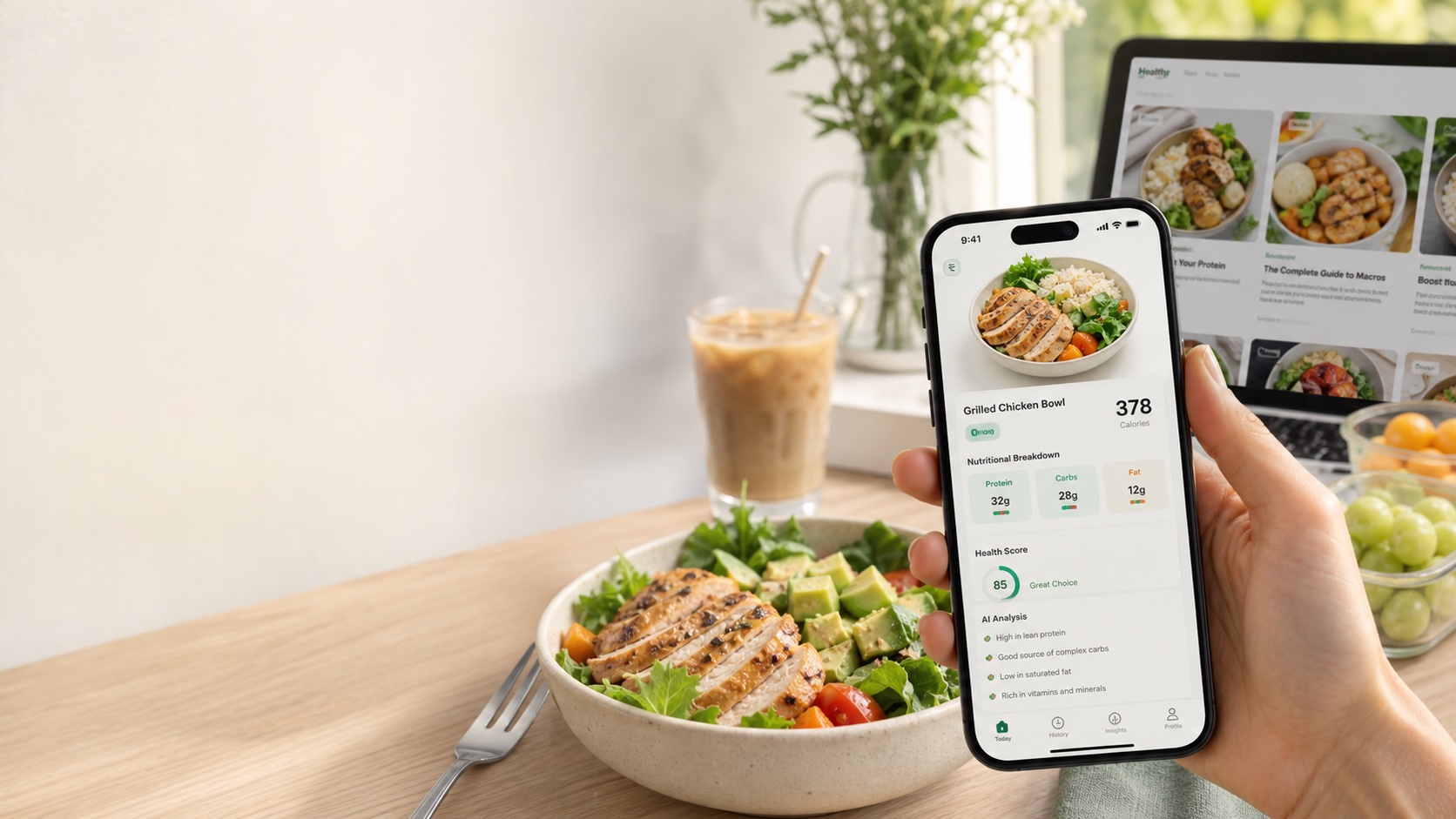
Brunch is a good example of why photo tracking helps. The plate is usually more visible than a mixed dinner, and the drink can be captured alongside it. The part that still needs judgment is the table food around the plate.
Add a note if you had:
- part of the pastry basket
- a side of bacon or sausage
- extra syrup or butter
- one or more mimosas
- shared dishes with the table
These details matter more than chasing false precision.
Bottom line
Mother’s Day brunch calories usually come from stacking several enjoyable foods into one long meal. The most useful approach is visibility: capture the plate, count the extras honestly, and treat drinks and pastries as part of the meal. LeanEat helps by making brunch faster to log without forcing manual search for every item on the table.
Frequently asked questions
Why is brunch so easy to underestimate?
Brunch often combines several calorie-dense items on one table: pastries, egg dishes, breakfast potatoes, pancakes or waffles, bacon or sausage, and drinks.
Is eggs Benedict a high-calorie brunch choice?
It often can be, because it combines eggs, English muffins, meat, butter-rich hollandaise, and usually a side such as potatoes.
Are pancakes and waffles always worse than egg dishes?
Not always. The final total depends on syrup, butter, whipped cream, sides, and portion size. Some savory dishes can be just as heavy.
Do mimosas affect brunch calories much?
They can. One drink may fit easily, but multiple mimosas add calories and can reduce awareness of how much food you are eating.
Can LeanEat help track brunch meals?
Yes. A clear photo of the plate and drinks plus a short note for syrups, pastries, or shared dishes makes brunch logging much faster.