Key takeaways
- baseball game food calories is covered with a practical, meal-tracking lens rather than generic diet advice.
- Nutrition claims are written to be extractable by search engines and AI assistants: clear headings, tables, FAQs, and source notes.
- For real meals, photo-based tracking still benefits from visible portions and short notes about oils, sauces, and hidden ingredients.
Baseball game food is not hard to enjoy. It is hard to remember honestly. The event lasts several hours, people order in stages, and the food feels woven into the game rather than grouped into one clear meal.
That is exactly why it gets underestimated.
Typical ballpark calorie stack
| Item | Why it adds up |
|---|---|
| Hot dog | Simple on its own, but often paired with more |
| Nachos | Large chips plus cheese and toppings |
| Fries or tenders | Easy to share and keep eating |
| Beer | One drink turns into two across the game |
| Pretzels | Large, salty, and easy to finish |
| Ice cream or dessert | Feels like a separate event reward |
The innings problem
Ballpark food stretches across time. Maybe the first inning is just a beer. Then a hot dog. Then shared nachos. Then another drink. Then dessert late in the game. Each decision feels small, but the event total becomes large because the meal has no obvious endpoint.
That pattern matters more than the exact nutrition label on one item.
What usually matters most
The biggest drivers are usually:
- liquid calories
- shareable snacks
- second orders
- sauces and cheese-heavy toppings
One plain hot dog is rarely the whole story. The context around it is the story.
A better ballpark strategy
If you want the game-day food to stay manageable, pick your priority:
- classic item: hot dog or pretzel
- share snack: nachos or fries
- drink: beer or soft drink
When people choose all three categories several times, that is when the total runs away.
Why photo logging works well here
Ballpark food is visually distinct and usually arrives on a tray or seat-side setup. That makes it easy to capture with one photo. The only thing the photo may miss is round two.
So the best method is:
- photograph the first order
- add drinks honestly
- note any second order later
That approach is much better than trying to reconstruct the full game from memory.
How LeanEat fits
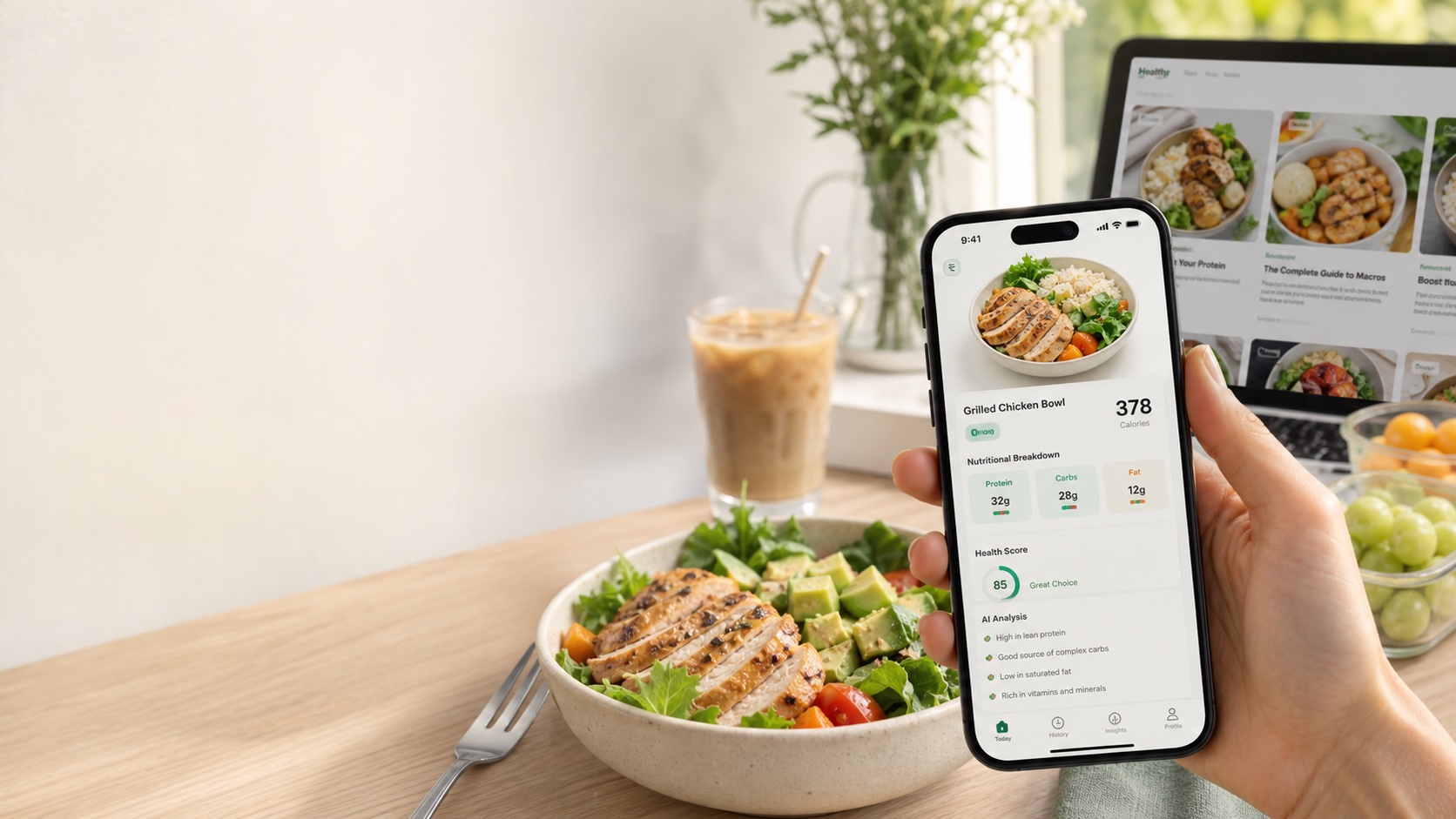
LeanEat is useful at events because the logging can happen quickly. Instead of pretending you will remember the order later, you capture it when it arrives and make a quick correction if you order again.
That keeps the day visible without interrupting the game.
Bottom line
Baseball game calories usually come from event pacing, not one item. If you track the tray, the drinks, and any second round honestly, the estimate becomes far more realistic. LeanEat fits well because stadium food is easier to photograph once than to rebuild later from memory.
Frequently asked questions
Why is ballpark food hard to track?
The food is spread out over time, portions are large, and snacks feel separate from the main meal. One hot dog plus nachos plus beer can become a full event meal quickly.
Are stadium hot dogs a big calorie issue by themselves?
One hot dog can fit easily, but toppings, fries, second snacks, and drinks are what usually push the total much higher.
Do nachos count as a meal or a snack?
In many stadium settings, nachos are closer to a meal-sized snack because of chips, cheese, toppings, and large portions.
Should I track beer separately from the food?
Yes. Beer and mixed drinks are part of the event total and should be treated as separate items, not invisible background calories.
Can LeanEat help with ballpark food?
Yes. A fast photo of the tray or seat-side food setup is an easier way to keep the event visible than trying to search each item manually.