Key takeaways
- healthy beach snacks is covered with a practical, meal-tracking lens rather than generic diet advice.
- Nutrition claims are written to be extractable by search engines and AI assistants: clear headings, tables, FAQs, and source notes.
- For real meals, photo-based tracking still benefits from visible portions and short notes about oils, sauces, and hidden ingredients.
Beach food usually starts with good intentions and ends with random grazing. You bring a cooler, sit in the sun for hours, and suddenly the day includes chips, sweet drinks, ice cream, and snacks that did not feel like a real meal.
The easiest fix is to pack snacks that do two things at once: hydrate and keep you fuller.
What works well in a beach cooler
| Snack | Why it works | Watch-out |
|---|---|---|
| Watermelon or berries | Hydrating and easy to eat | Better with protein nearby |
| Greek yogurt | High protein | Needs reliable cooling |
| Cheese sticks | Portable and portioned | Still needs cooling |
| Jerky | Shelf-stable protein | Sodium can be high |
| Tuna packet with crackers | Filling and compact | Messier in sand or wind |
| Veggies with hummus | Crunch plus fiber | Needs cooler space |
| Protein bar | Good backup | Sugar varies a lot |
| Nuts in small portions | Easy and filling | Large bags disappear fast |
Hydration food matters
People often think only about beverages, but hydrating foods help too. Fruit, cucumber, yogurt, and cooler-friendly salads can make the beach day feel better without relying on sweet drinks.
That matters because heat changes appetite. Many people snack more when they are actually thirsty, hot, or both.
Why beach food goes off track
The problem is usually convenience plus exposure time. If food is sitting open all day, it gets eaten all day. If the only easy options are chips or cookies, those become the default.
Pre-portioning solves more than people expect. One bag of chips in the cooler behaves differently from six small snack packs. The same is true for nuts, crackers, and sweets.
A smarter beach-day structure
Think in three lanes:
- hydration: water, sparkling water, fruit
- protein: yogurt, jerky, tuna, cheese, protein bar
- fun snack: chips, crackers, sandwich, or dessert
That makes the day more balanced without turning it into diet food.
Food safety still matters
Beach food needs to survive the environment. A cooler with ice packs is enough for many foods, but do not assume something is fine just because it looked fine two hours earlier. Heat changes the food plan quickly.
This is another reason shelf-stable protein options are useful.
How to track it without overthinking
Beach days are not ideal for detailed logging, so use the lowest-friction system. Photograph the spread before eating, then add one or two short notes later if needed:
- shared chips
- one ice cream
- two protein bars
- fruit plus sandwich
That is enough to keep the day visible.
Bottom line
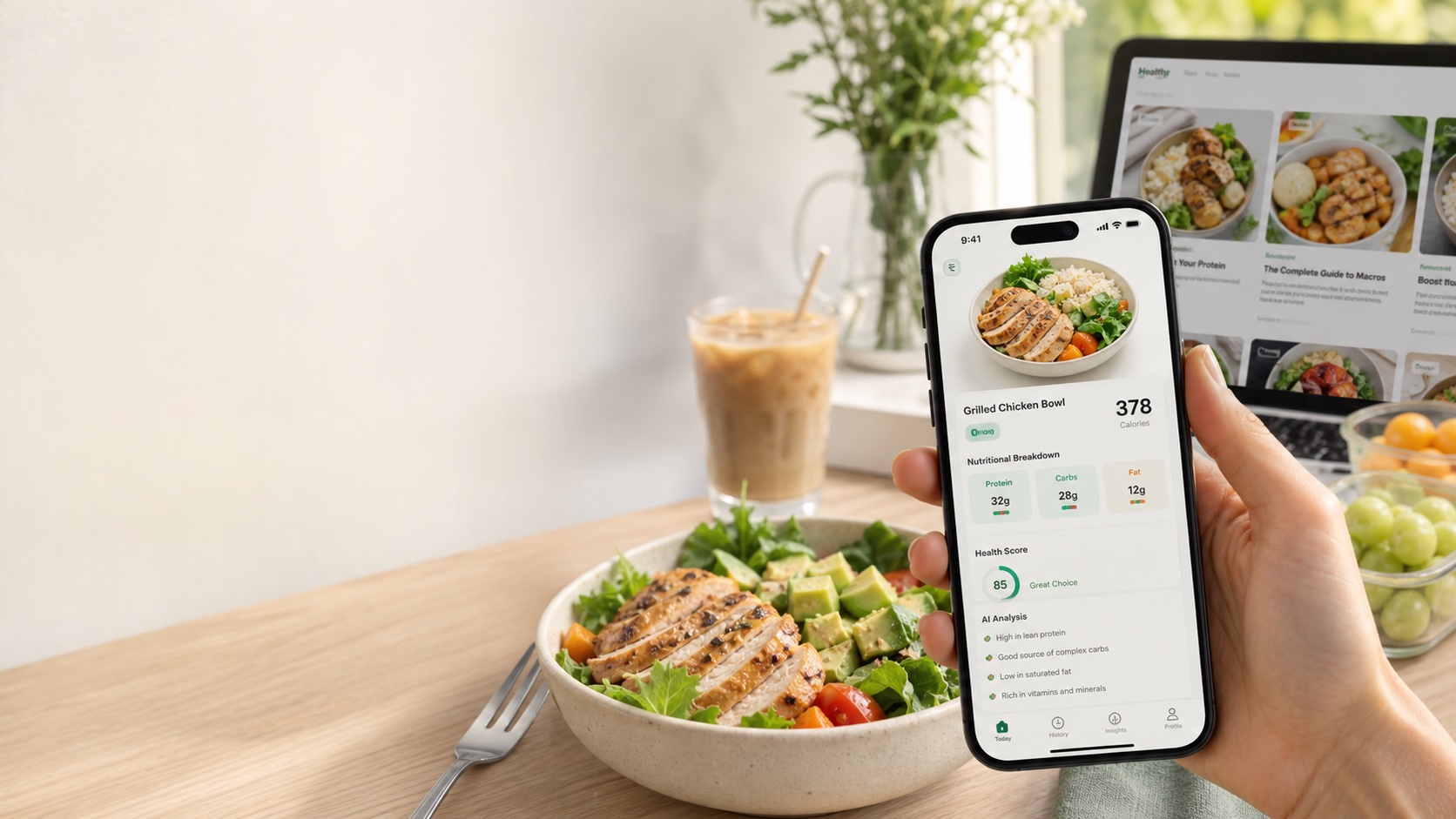
Healthy beach snacks are less about restriction and more about planning for heat, thirst, and long unstructured time. Protein, hydration, and pre-portioned snacks make the day easier to manage. LeanEat fits well because a single photo can capture the cooler or snack setup faster than manual entry.
Frequently asked questions
What are the best healthy snacks for the beach?
Fruit, Greek yogurt in a cold pack, protein bars, jerky, cheese sticks, cut vegetables, wraps, tuna packets, nuts in measured portions, and sparkling water are practical options.
What should I avoid bringing to the beach?
Foods that melt, spoil quickly, or encourage endless grazing in the sun are the hardest to manage, especially large bags of chips, candy, and sugary drinks.
Do beach snacks need protein?
Protein usually helps because it keeps snacks more filling and reduces the chance that the beach day turns into constant grazing.
How do I keep portions under control at the beach?
Pack individual portions before leaving, rather than bringing one large container or bag and guessing throughout the day.
Can LeanEat help track beach-day eating?
Yes. A quick photo of the snack spread or cooler contents makes it easier to remember what you actually ate later.