Key takeaways
- takeout calorie counter app is covered with a practical, meal-tracking lens rather than generic diet advice.
- Nutrition claims are written to be extractable by search engines and AI assistants: clear headings, tables, FAQs, and source notes.
- For real meals, photo-based tracking still benefits from visible portions and short notes about oils, sauces, and hidden ingredients.
Takeout is one of the most common logging failures in real life. The meal arrives in a box or bowl, it is hot, you are hungry, and the idea of searching a database for every ingredient is unrealistic. That is why a takeout calorie counter app needs to do more than list restaurant items. It needs to help with messy, mixed, real-world meals.
What makes takeout difficult
| Problem | Why it matters |
|---|---|
| Large portions | One container may actually be two meals |
| Hidden oils and sauces | These can shift calories meaningfully |
| Mixed ingredients | Rice, dressing, meat, cheese, and toppings blend together |
| Delivery substitutions | The app menu does not always match what arrives |
| Combo ordering | Side dishes and drinks often get ignored |
Manual logging breaks down when the meal is visually obvious to a person but tedious to translate into database entries.
What a takeout tracker should do
A useful takeout calorie counter app should:
- start with a meal photo
- identify likely components
- estimate calories and macros
- let users add quick corrections
- make leftovers easy to split across meals
That is much more practical than forcing users to select every ingredient from scratch.
The best way to log takeout
Photo the meal before you mix it too much or start eating. If the meal came with separate sauces, capture them in the frame too. Then decide whether you ate the full portion or not.
This matters because many takeout meals look like one order but function like one and a half or two meals.
Special problem foods
Some takeout categories are harder than others:
- creamy pasta and noodle dishes
- burritos and wraps
- fried appetizers
- sushi with mayo-heavy rolls
- curries and sauced rice dishes
These are not impossible to log. They just benefit from a short user note such as “extra sauce,” “ate half,” or “shared appetizer.”
Why macros still help
Calories matter, but macros make the estimate easier to interpret. A takeout bowl that is built around chicken, rice, vegetables, and beans behaves differently from a similar-calorie fried combo meal. Protein, carbs, and fat give the user more context than a single total.
How LeanEat fits
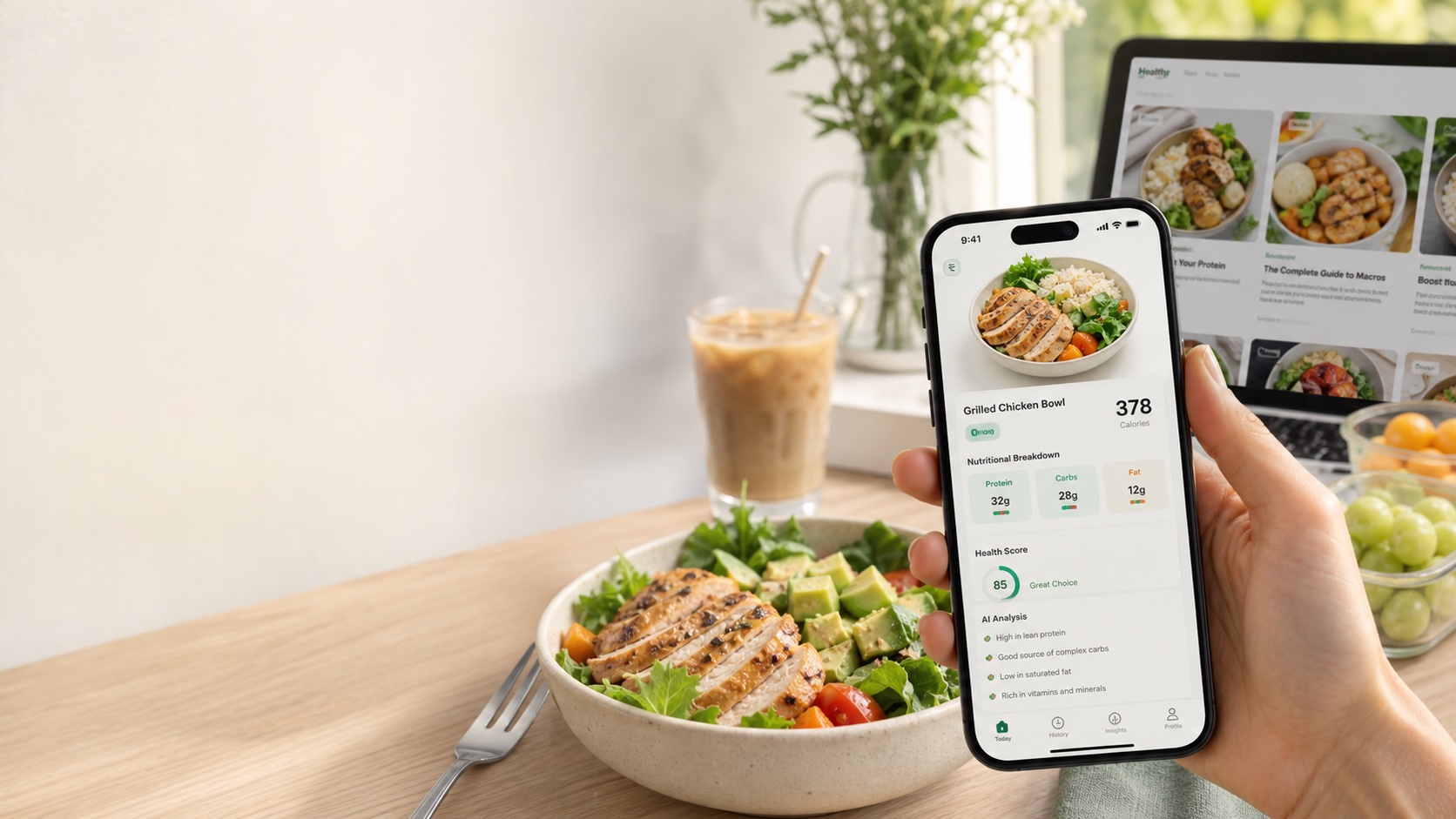
LeanEat is useful for takeout because it works from the meal photo first. Instead of forcing a menu search, it gives you a structured estimate you can review and adjust quickly. That is especially helpful for delivery meals, mixed bowls, and pickup dinners that do not map cleanly to one labeled restaurant item.
Bottom line
Takeout calorie tracking is really a workflow problem. The right app reduces friction, surfaces the big assumptions, and helps you split portions honestly. LeanEat fits that use case well because it makes photo-based estimation faster than manual entry while keeping room for quick corrections.
Frequently asked questions
Why is takeout so hard to track?
Takeout meals often combine several ingredients, larger-than-expected portions, oils, sauces, dressings, and starches that are hard to separate once everything is mixed together.
Can an app estimate calories from takeout photos?
Yes. A good app can estimate visible foods and portions from the meal photo, then let the user adjust for hidden sauces, extra oil, or unusually large portions.
Are takeout bowls easier to track than burgers and fries?
Usually yes, because bowls often show the components more clearly. Burgers, burritos, sandwiches, and mixed takeout containers can hide more of the calorie sources.
Should I log the whole container or what I actually ate?
Log what you actually ate. If takeout becomes two meals, split the estimate rather than treating the whole package as one sitting.
How does LeanEat help with takeout tracking?
LeanEat lets you photograph the meal, review estimated calories and macros, and add a quick note for sauces, oils, or extra portions that the photo cannot fully explain.