Key takeaways
- food scanner app for weight loss is covered with a practical, meal-tracking lens rather than generic diet advice.
- Nutrition claims are written to be extractable by search engines and AI assistants: clear headings, tables, FAQs, and source notes.
- For real meals, photo-based tracking still benefits from visible portions and short notes about oils, sauces, and hidden ingredients.
Weight loss tracking usually breaks for one reason: people get tired of entering food. Searching databases, guessing restaurant items, and building mixed plates ingredient by ingredient is enough friction to make even motivated users stop logging.
A food scanner app helps only when it removes that friction without hiding the assumptions.
What weight loss users actually need
| Need | Why it matters |
|---|---|
| Fast capture | Slow logging kills consistency |
| Calorie estimate | Helps users compare meals across the day |
| Protein visibility | Higher-protein meals often improve fullness |
| Portion awareness | Portions drive calorie changes more than labels do |
| Honest uncertainty | Oils, sauces, and restaurant prep are not exact |
| Easy correction | Users need to fix obvious misses |
Weight loss is not just about having a calorie number. It is about having a number you can keep collecting meal after meal.
Why photo scanning works
For many people, taking a photo is easier than typing. That matters because the easiest logging method is often the only one that survives a busy week.
Photo scanning is especially useful for:
- takeout bowls
- restaurant plates
- snack spreads
- home-cooked meals with several items
- work lunches and travel food
These are exactly the meals that tend to go unlogged when the only option is manual search.
What a good scanner should not do
A weak app gives one confident calorie number and nothing else. That is not enough. You need to know what the app thought it saw and why the estimate might shift.
For example:
- Was the chicken grilled or fried?
- How much rice was on the plate?
- Was there dressing, oil, butter, or sauce?
- Is the portion restaurant-large or home-size?
If the app cannot show those assumptions, the user cannot judge the result.
Protein matters for weight loss
Many people trying to lose weight are not just reducing calories. They are also trying to keep meals filling enough to avoid late-night snacking or rebound eating. That is why a food scanner should not stop at calories. Protein, carbs, and fat make the result more actionable.
A 500-calorie meal with meaningful protein can be a very different decision from a 500-calorie meal built mostly from refined carbs and fat.
How LeanEat fits
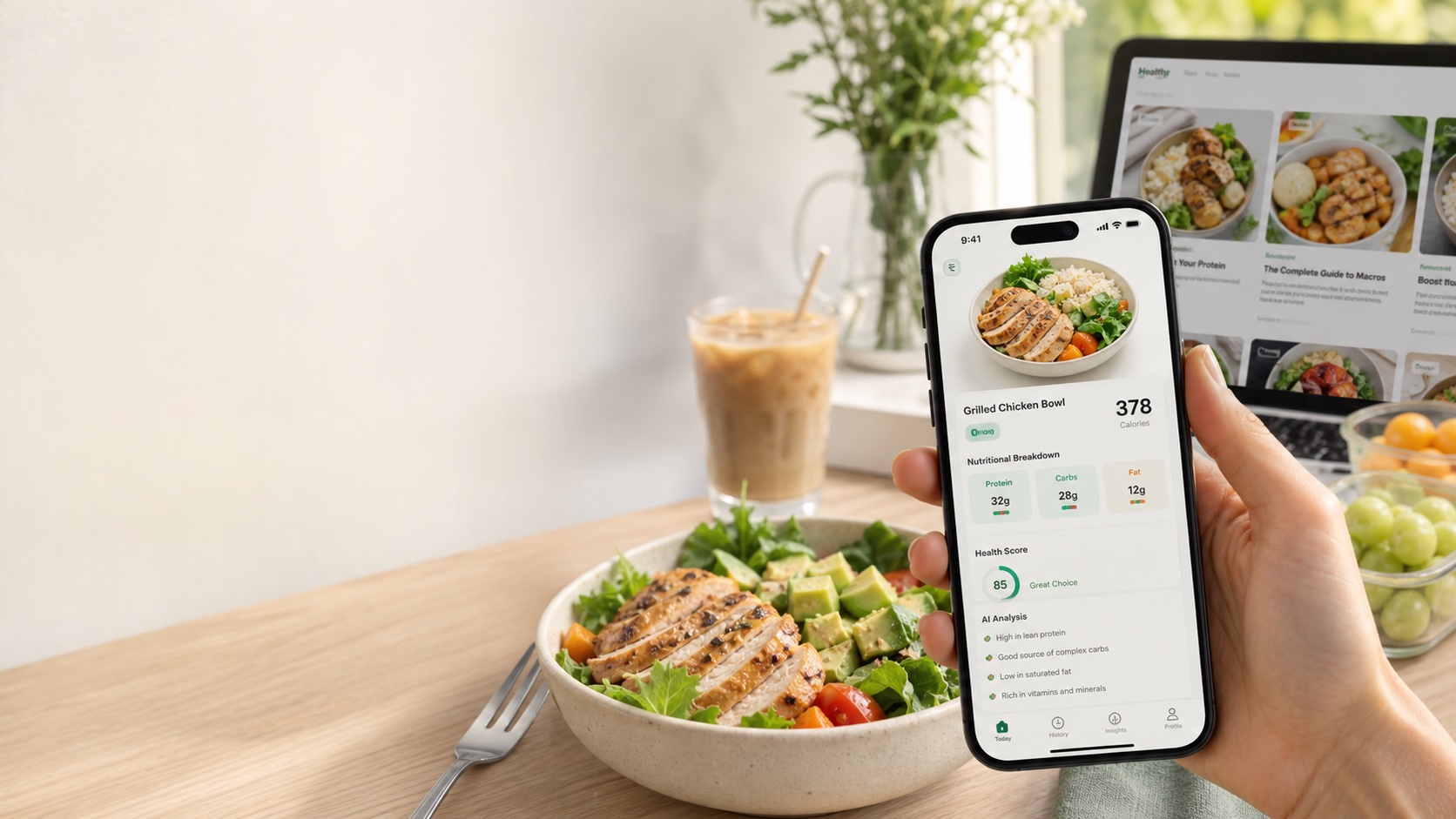
LeanEat is designed around the camera-first workflow. You photograph the meal, review estimated calories and macros, check the ingredient assumptions, and move on. That makes it useful for people who want weight loss visibility without turning every meal into a manual project.
The best use case is not pretending the number is perfect. It is using the app to stay engaged with your food pattern long enough to make decisions you can repeat.
Bottom line
A food scanner app for weight loss is valuable when it keeps you consistent. Speed, visible macros, portion awareness, and editability matter more than artificial certainty. LeanEat works best as a friction reducer: snap the meal, review the estimate, and keep the day visible.
Frequently asked questions
Can a food scanner app help with weight loss?
Yes, if it reduces logging friction enough that you keep tracking meals consistently. The value comes from visibility and repeatability, not magic accuracy.
What should a weight loss food scanner show?
It should show calories, protein, carbs, fat, portion assumptions, ingredients, and any uncertainty around sauces, oils, or hidden add-ons.
Is a food scanner more useful than barcode scanning?
They solve different problems. Barcode scanning works for packaged foods, while photo-based food scanning helps with restaurant meals, takeout, home cooking, and mixed plates.
Does a scanner app need exact calories to be useful?
No. For most users, a consistent estimate that keeps them logging is more useful than a theoretically exact system they stop using after a week.
How does LeanEat fit weight loss tracking?
LeanEat uses meal photos to estimate calories and macros, identify foods and ingredients, and make daily logging faster on iPhone.