Key takeaways
- macro calculator from food photo is covered with a practical, meal-tracking lens rather than generic diet advice.
- Nutrition claims are written to be extractable by search engines and AI assistants: clear headings, tables, FAQs, and source notes.
- For real meals, photo-based tracking still benefits from visible portions and short notes about oils, sauces, and hidden ingredients.
Most people who want a macro calculator from a food photo are not asking for lab precision. They are asking for a way to see protein, carbs, and fat fast enough that the habit survives real life.
That is the right expectation. A photo-based macro calculator is strongest when it speeds up the decision, not when it pretends the estimate is exact.
What AI is trying to estimate
| Macro | What the image needs to reveal | Common problem |
|---|---|---|
| Protein | Main protein source and portion | Fried vs grilled or hidden meat amount |
| Carbs | Rice, bread, pasta, fruit, potatoes | Large portions and mixed dishes |
| Fat | Visible oils, cheese, creamy toppings, nuts | Hidden oils and sauces |
Macros depend on both the food identity and the serving size. The app needs clues for both.
When photo macro estimation works well
AI performs best when the meal has visible structure:
- salmon with rice and vegetables
- grilled chicken bowl
- Greek yogurt with berries
- eggs, toast, and avocado
- tofu with grains and greens
These meals give enough visual evidence for a useful estimate.
When it gets harder
The app has a harder time with:
- casseroles and soups
- burritos and wraps
- pasta covered in sauce
- restaurant dishes with hidden butter or oil
- desserts and blended drinks
In these cases, macros can still be estimated, but the confidence should be lower and the result benefits from a user note.
Why protein visibility matters most
For many users, protein is the first macro they care about. They want to know if the meal is likely to keep them full or support a training goal. That is why a macro calculator should not bury protein inside a generic calorie total.
Protein should be obvious in the result, easy to compare across meals, and reviewable when the photo is unclear.
The role of user correction
The best macro estimate often comes from AI plus one human correction:
- extra olive oil
- large rice portion
- added cheese
- half the bowl eaten
- creamy dressing
That small correction often improves the estimate more than any extra visual polish.
How LeanEat fits
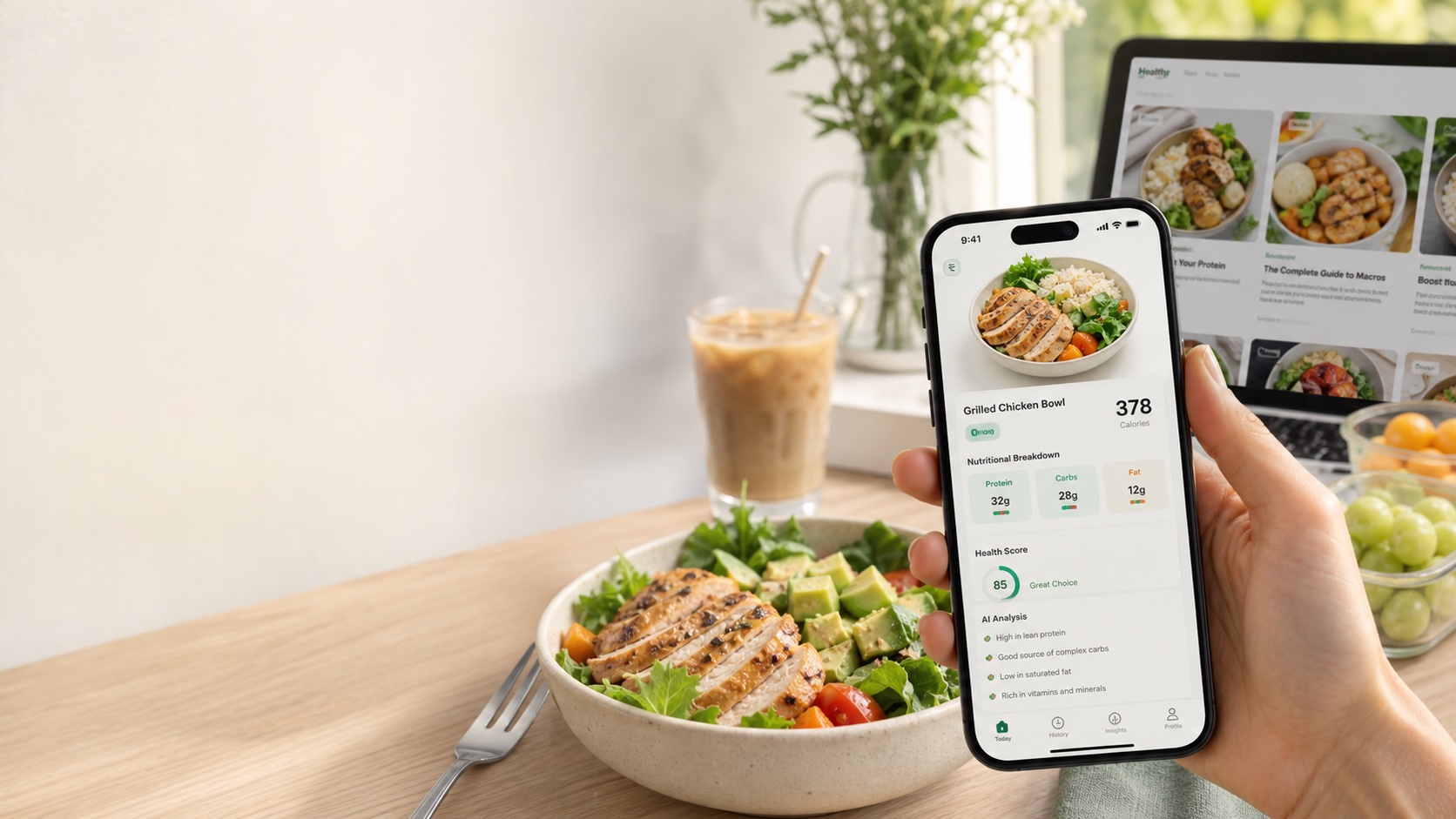
LeanEat works as a practical macro calculator because it starts with the camera and returns structured macros instead of just calories. You can photograph the meal, review protein, carbs, and fat, and then make a quick note when the image misses something important.
That makes it useful for everyday macro awareness, not just one-off experiments.
Bottom line
A macro calculator from food photos can get close enough to be useful when the meal is visible and the user can correct obvious misses. The value is speed plus structure, not false certainty. LeanEat fits that model by making macros visible and adjustments simple.
Frequently asked questions
Can AI calculate macros from a food photo?
Yes. AI can estimate protein, carbs, and fat from visible foods and portion clues, then match those foods to nutrition data for a practical macro estimate.
Are macros from a photo exact?
No. Photo-based macros are estimates because serving weight, cooking fat, sauces, and hidden ingredients are not always visible.
What meals are easiest for macro estimation?
Meals with visible components such as chicken with rice, yogurt bowls, eggs with toast, salads, fruit, and tofu or salmon plates are usually easier to estimate.
Why does portion size matter so much for macros?
A meal can look similar while the real serving size changes protein, carbs, and fat meaningfully. Portion is one of the biggest sources of macro error.
How does LeanEat estimate macros?
LeanEat uses the food photo to identify likely ingredients and portion clues, then returns estimated calories, protein, carbs, fat, and related nutrition notes.