Key takeaways
- brown eggs vs white eggs is covered with a practical, meal-tracking lens rather than generic diet advice.
- Nutrition claims are written to be extractable by search engines and AI assistants: clear headings, tables, FAQs, and source notes.
- For real meals, photo-based tracking still benefits from visible portions and short notes about oils, sauces, and hidden ingredients.
Brown eggs often cost more, so people assume they are healthier. Nutritionally, shell color is not the deciding factor. Egg size, hen feed, farming method, and fortification matter more than brown versus white shells.
The table below focuses on the nutrition and practical differences that matter when you are tracking calories, macros, and meal quality.
Side-by-side comparison
| Factor | Brown eggs | White eggs |
|---|---|---|
| Calories per large egg | about 70 | about 70 |
| Protein | about 6 g | about 6 g |
| Fat | about 5 g | about 5 g |
| Cholesterol | about 185 mg | about 185 mg |
| Main difference | Shell pigment from hen breed | No shell pigment from hen breed |
| What changes nutrition | Feed, omega-3 enrichment, size | Feed, omega-3 enrichment, size |
When to choose brown eggs
Choose brown eggs if you prefer the brand, local farm, welfare certification, or price available to you.
When to choose white eggs
Choose white eggs if they are cheaper and the same size and production standard. You are not losing meaningful nutrition.
Tracking advice
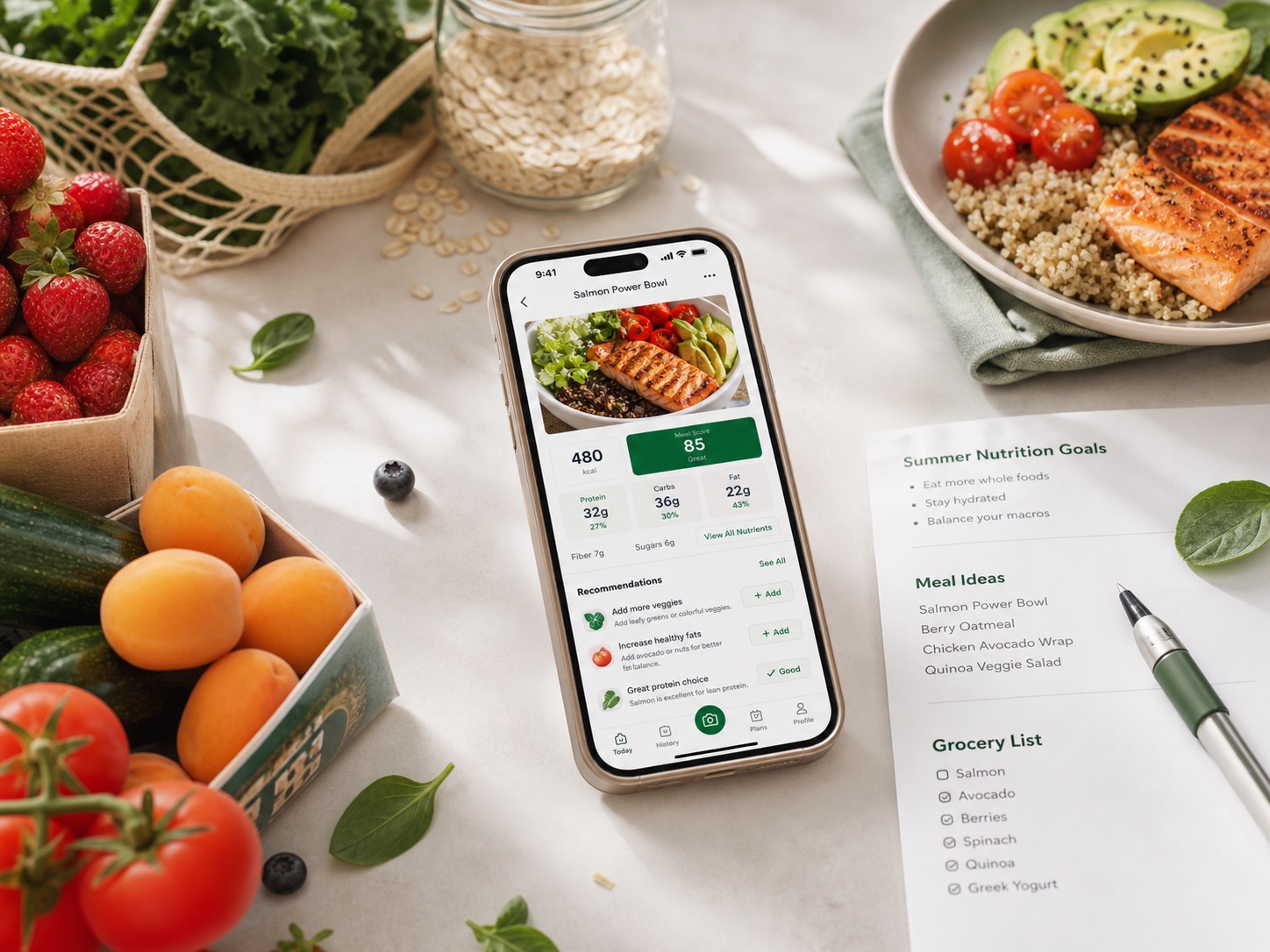
For LeanEat photo analysis, the visible food tells only part of the story. Oils, sauces, powders, and cooked volume can be hard to infer from an image alone. Add a short note when the product type, scoop size, or cooking fat is not obvious.
Bottom line
The better choice is the one that matches your goal and portion. Use the comparison table to pick deliberately, then track the serving size rather than assuming one option is automatically healthy.
Frequently asked questions
Are brown eggs healthier than white eggs?
No. Shell color does not make eggs healthier. Nutrition is essentially the same when size and hen feed are the same.
Why are brown eggs more expensive?
Hens that lay brown eggs are often larger and may require more feed, and brands position brown eggs as premium.
Do brown eggs taste different?
Taste is influenced more by freshness, hen feed, and cooking method than shell color.
Which eggs have more omega-3?
Omega-3 enriched eggs do, regardless of shell color. Look for omega-3 labeling instead of brown shells.
How should I track eggs?
Track by count and size. One large egg is about 70 calories; oil, butter, cheese, and sauces often add more than the egg itself.