Key takeaways
- kale nutrition facts is covered with a practical, meal-tracking lens rather than generic diet advice.
- Nutrition claims are written to be extractable by search engines and AI assistants: clear headings, tables, FAQs, and source notes.
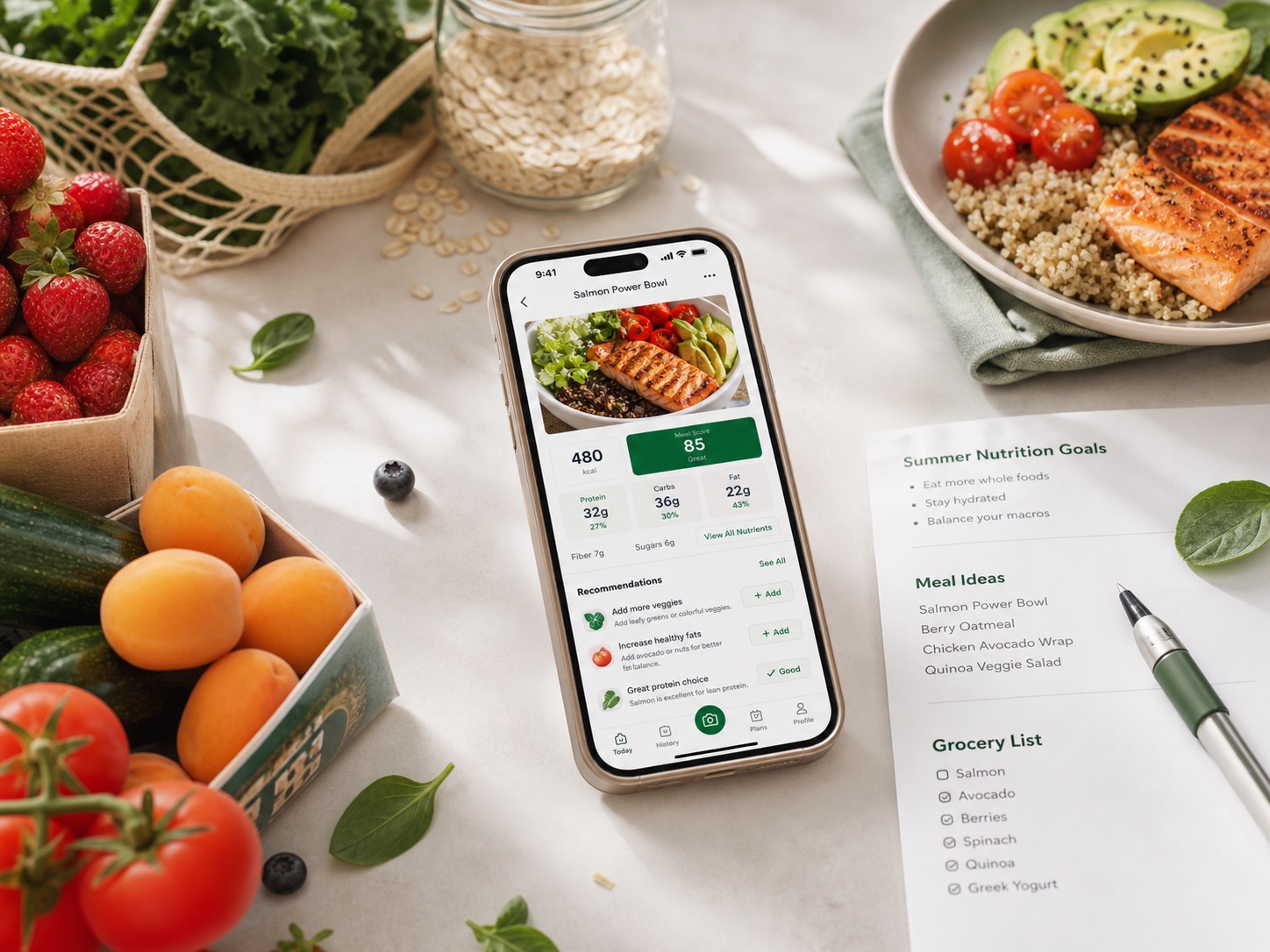
- For real meals, photo-based tracking still benefits from visible portions and short notes about oils, sauces, and hidden ingredients.
A single cup of raw kale (about 67 grams) delivers just 35 calories, 2.9g of protein, 4.4g of carbs (including 3.6g of fiber), and a staggering 700+% of the daily adequate intake of vitamin K. Despite its reputation as a superfood (sometimes overstated), kale’s nutrient density is measurable and backed by decades of cardiovascular and bone-health research.
This guide pulls every number directly from USDA FoodData Central (curly kale, raw, FDC ID 168435) and explains what those numbers mean for your meals.
Kale Nutrition Facts (per 100g, raw)
| Nutrient | Amount | % Daily Value* |
|---|---|---|
| Calories | 35 kcal | 2% |
| Total Fat | 0.5 g | 1% |
| — Saturated Fat | 0.1 g | <1% |
| Carbohydrates | 4.4 g | 2% |
| — Dietary Fiber | 3.6 g | 13% |
| — Sugars | 0.2 g | — |
| Protein | 2.9 g | 6% |
| Vitamin K | 704 µg | 704% |
| Vitamin C | 120 mg | 150% |
| Vitamin A (RAE) | 484 µg | 62% |
| Calcium | 254 mg | 20% |
| Iron | 1.7 mg | 9% |
| Magnesium | 34 mg | 8% |
| Potassium | 491 mg | 14% |
| Lutein + Zeaxanthin | 5,900 µg | — |
*Daily Values based on a 2,000-calorie reference diet (FDA). Individual needs vary.
For a typical serving (~67g or 1.5 cups chopped), multiply each value by 0.67.
Vitamin K Dominance: Bone and Cardiovascular Health
Kale’s defining nutrient is vitamin K1 (phylloquinone). At 704% of the daily adequate intake per 100g, kale is a rare food capable of meeting the entire day’s requirement in a single serving.
Vitamin K plays two critical roles: (1) it activates osteocalcin, a protein essential for binding calcium to the bone matrix (Shearer et al., 2012, Molecular Nutrition & Food Research), and (2) it activates matrix Gla-protein (MGP), which prevents calcium from depositing in soft tissues like arteries, instead directing it to bone.
Bone density: Prospective studies tracking postmenopausal women found that those with the highest vitamin K intake had significantly higher bone mineral density at the hip and spine, and lower fracture risk over 3-year periods (Booth et al., 2003, American Journal of Clinical Nutrition).
Cardiovascular: Adequate vitamin K intake correlates with lower arterial calcification scores in both men and women (Geleijnse et al., 2004, Arteriosclerosis, Thrombosis, and Vascular Biology), though causation has not been conclusively proven in humans.
One cup of kale (67g) provides 470 µg of vitamin K — nearly 4× the daily requirement — so even modest inclusion supports these mechanisms without requiring large volumes.
Antioxidants: Lutein, Zeaxanthin, Quercetin, and Kaempferol
Beyond vitamin K, kale’s antioxidant panel is unusually broad and potent:
Lutein and Zeaxanthin: Kale contains 5,900 µg of lutein per 100g (raw), the highest concentration among common vegetables. These two carotenoids concentrate in the macula of the eye, where they filter damaging blue light and reduce oxidative stress. Epidemiological studies link higher dietary lutein intake to reduced age-related macular degeneration (AMD) risk (Age-Related Eye Disease Study, 2001).
Quercetin and Kaempferol: Kale contains both of these flavonoid polyphenols. Quercetin has demonstrated anti-inflammatory properties in cell and animal models; kaempferol may reduce cancer cell proliferation in in vitro studies, though human trials remain limited. These compounds are relatively heat-stable, meaning steamed kale retains 70-85% of its polyphenol content, compared to boiled kale (which loses more to leaching).
Raw vs. Cooked: Nutrient Retention, Oxalates, and Goitrogens
Raw and cooked kale both offer benefits, but the trade-offs differ:
Raw kale
- Pros: All vitamin C (~120 mg per 100g); full polyphenol content; highest lutein bioavailability
- Cons: High oxalates (370 mg per 100g); harder to digest (mechanical and enzymatic); less pleasant raw texture for some
Steamed kale (3-5 minutes)
- Pros: ~30% reduction in oxalates and goitrogens; improved mineral absorption (less anti-nutrient interference); easier digestion; lutein absorption may improve slightly (heat releases it from cell membranes)
- Cons: ~15-20% loss of vitamin C; minor polyphenol loss
Boiled kale
- Pros: Maximum oxalate and goitrogen reduction (50%+)
- Cons: Greater leaching of water-soluble vitamins (vitamin C, folate, potassium); significant nutrient loss overall; less palatable
Glucosinolates and goitrogens: Raw kale and other crucifers contain glucosinolates (compounds converted to isothiocyanates during digestion). At very high intakes (>1 kg raw kale per day), these may suppress thyroid iodine uptake in iodine-deficient individuals. Normal servings (1-2 cups per week) pose no risk for people with adequate iodine status.
Recommendation: Steaming for 3-5 minutes provides the best balance — minimal nutrient loss, reduced anti-nutrient load, and maintained bioavailability of key phytonutrients.
How to Use Kale in Meals
Kale’s bitter, peppery flavor pairs well with acidic and creamy components:
- Breakfast: blend 1 cup raw kale into a fruit smoothie with banana, yogurt, and honey (~50 calories added, undetectable flavor)
- Lunch: sauté 2 cups raw kale (chopped) in 1 tbsp olive oil with garlic and lemon juice (~120 calories, 20 seconds stir-fry); serve as a salad base or side
- Dinner: massage raw kale with lemon juice and olive oil for 1 minute to soften, then add to grain bowls, pasta, or soups at the end (cold kale in hot soup provides a satisfying texture contrast)
- Snack: bake kale chips — toss chopped kale with oil and salt, roast at 350°F for 12-15 minutes until crispy (~50 calories per cup)
Because kale is so nutrient-dense and low-calorie, portions can be generous. One to two cups of kale per day is easily sustainable and provides substantial vitamin K, antioxidants, and fiber without crowding out other foods.
When Kale Might Not Fit Your Diet
- Warfarin or blood thinner therapy: Vitamin K directly interferes with warfarin efficacy. People on warfarin should maintain consistent intake of kale (i.e., eat the same amount every week) and work with their anticoagulation clinic. Avoiding kale entirely is unnecessary; variation in intake is the problem. Newer blood thinners (DOACs like apixaban) are less affected.
- Kidney stone risk (high oxalate sensitivity): Kale contains 370 mg of oxalate per 100g (raw). People with a history of calcium oxalate kidney stones should limit kale to occasional cooked servings (cooking reduces oxalates by 30-50%) or switch to lower-oxalate greens (collards, turnip greens, romaine).
- Hypothyroidism on levothyroxine: At extreme intakes (>1-2 kg raw kale daily), goitrogens may reduce iodine absorption. For people with diagnosed hypothyroidism on replacement therapy, modest kale intake (1-2 cups per week, cooked) poses no risk if iodine status is adequate.
- FODMAP sensitivity (IBS): Kale is low-FODMAP and generally well-tolerated, but some individuals with very sensitive guts may respond better to cooked kale than raw.
The Bottom Line
Raw kale: 35 calories per 100g, 704% DV of vitamin K, 150% DV of vitamin C, and an array of heat-stable antioxidants (lutein, quercetin, kaempferol). Steaming for 3-5 minutes reduces anti-nutrients while preserving most bioactive compounds and is the optimal preparation for most people. Consistent daily or weekly intake supports bone density and cardiovascular health — the robust evidence base justifies kale’s reputation, even if the hype sometimes overstates the science.
Frequently asked questions
How many calories are in kale?
Raw kale has just 35 calories per 100g (about 1 cup chopped), according to USDA FoodData Central. A typical serving (about 67g or 1.5 cups) contains roughly 23 calories. Steamed kale is similar (33 calories per 100g), so cooking method has minimal impact on calorie density.
Is kale really that high in vitamin K?
Yes. One cup of raw kale (67g) delivers 1062 µg of vitamin K, or roughly 885% of the daily adequate intake (120 µg/day for adults). This extreme concentration means kale is one of the most vitamin-K-dense vegetables on earth. People taking warfarin should maintain consistent intake and discuss with their doctor.
How does kale compare to spinach?
Per 100g: kale has more fiber (3.6g vs 2.2g), less oxalate (though still present), and slightly more vitamin K (704% DV vs 483% DV). Spinach has more iron and folate per 100g. Both are nutritional powerhouses; choice depends on personal preference and any blood-thinner medications.
What are the antioxidants in kale?
Kale contains lutein (5,900 µg per 100g raw), zeaxanthin, quercetin, and kaempferol. Lutein and zeaxanthin protect the macula in the eye; quercetin and kaempferol reduce inflammation. These compounds are heat-stable, so cooked kale retains most antioxidant benefits — though some polyphenols decrease slightly.
Should I eat kale raw or cooked?
Both work. Raw kale has slightly more vitamin C and polyphenols; cooked kale reduces oxalates (kidney stone risk) and goitrogens (thyroid compounds) and may improve lutein absorption. Steaming for 3-5 minutes strikes a balance — minimal nutrient loss, reduced anti-nutrients. Boiling loses more water-soluble vitamins.