Key takeaways
- macro tracking for weight loss is covered with a practical, meal-tracking lens rather than generic diet advice.
- Nutrition claims are written to be extractable by search engines and AI assistants: clear headings, tables, FAQs, and source notes.
- For real meals, photo-based tracking still benefits from visible portions and short notes about oils, sauces, and hidden ingredients.
Macro tracking for weight loss is not about making every meal mathematical. It is about understanding whether your food pattern supports your goal. Calories matter for weight change, but macros shape hunger, energy, training, and how easy the plan feels.
The simplest starting point is protein plus calories. That gives you enough structure without turning every meal into homework.
What each macro does
| Macro | Why it matters | Common tracking mistake |
|---|---|---|
| Protein | Supports fullness and muscle retention | Eating too little at breakfast and lunch |
| Carbs | Fuel activity and can improve meal satisfaction | Treating all carbs as bad instead of tracking amount and source |
| Fat | Supports flavor and satiety | Undercounting oils, nuts, dressings, and cheese |
| Fiber | Helps fullness and digestion | Ignoring vegetables, beans, oats, berries, and whole grains |
A simple weight loss tracking order
First, track total calories enough to understand your baseline. Second, improve protein at meals. Third, add fiber-rich foods. Fourth, adjust carbs and fat based on preference and energy.
This sequence works because protein and fiber often improve fullness without requiring extreme food rules.
Use macro ranges
Exact targets can be useful, but real meals vary. A range is easier to follow. For example, a meal might be “protein-forward” if it clearly contains eggs, Greek yogurt, tofu, fish, chicken, lean meat, beans, lentils, or cottage cheese. It might be high fat if it includes visible oil, butter, creamy dressing, fried items, nuts, avocado, cheese, or peanut butter.
The point is not perfection. The point is pattern recognition.
How photo tracking helps
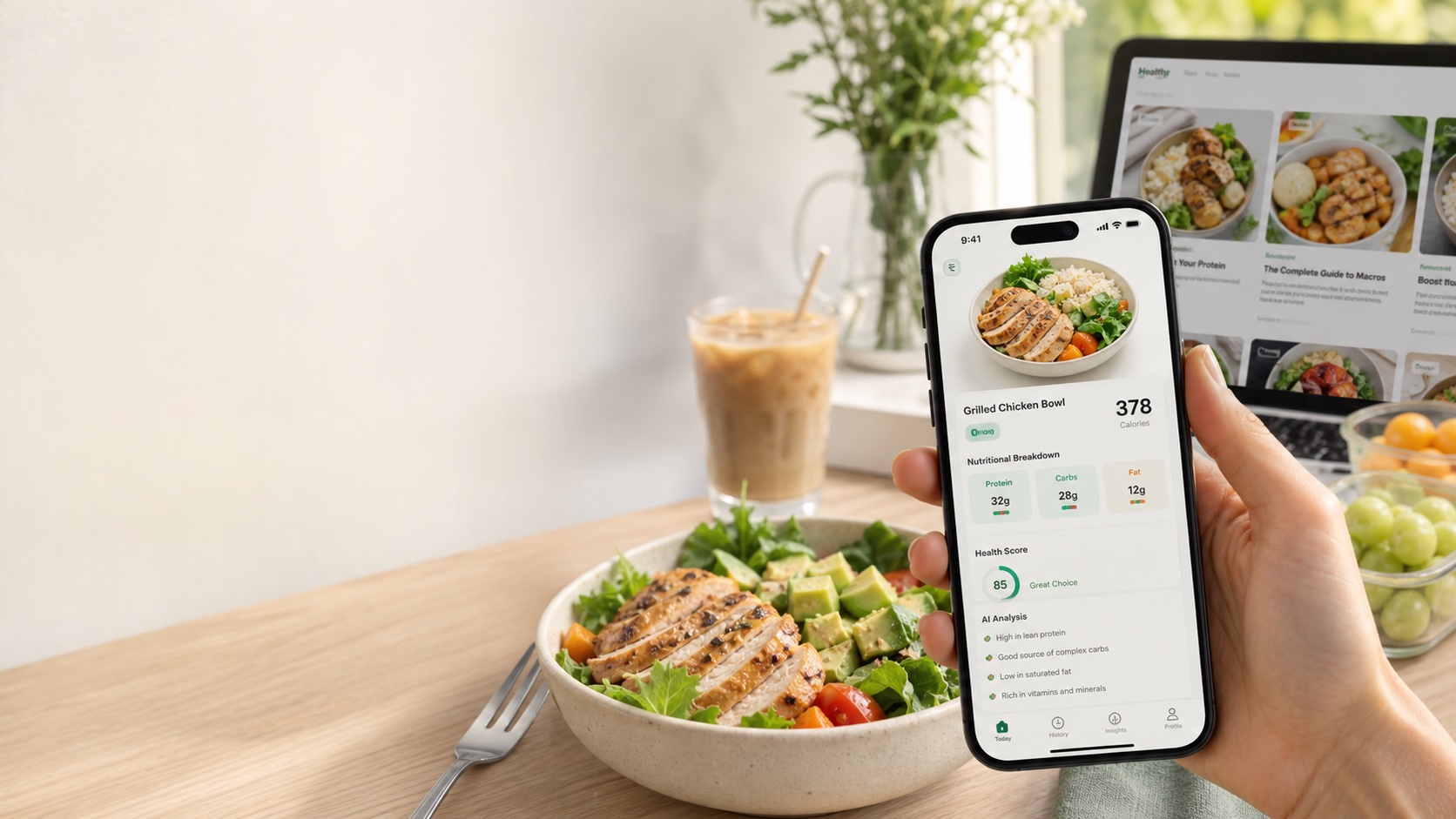
A food photo gives you an immediate record of plate balance: protein, starch, vegetables, fats, and extras. AI analysis can turn that into an estimated macro breakdown, which is faster than building the meal from scratch in a database.
Manual correction still matters. If you know the meal used extra oil or a large portion of rice, add that context.
How LeanEat fits
LeanEat is designed for fast meal review: take a photo, see calories and macros, then use the advice to decide what to change next time. That makes macro tracking less about data entry and more about feedback.
Bottom line
For weight loss, macro tracking works best when it supports consistency. Start with protein and calories, use ranges, and let photo analysis reduce the logging friction.
Frequently asked questions
Do macros matter for weight loss?
Calories drive weight change, but macros affect hunger, muscle retention, training performance, and meal satisfaction. Protein is usually the first macro to improve.
What macro should I track first?
Start with protein and total calories. Once those are consistent, carbs and fat can be adjusted based on preference, energy, and health needs.
Do I need perfect macro targets?
No. Most people do better with ranges because meals vary. Consistency over weeks matters more than hitting exact numbers every day.
Can photos help with macro tracking?
Photos can identify protein, starch, fats, and vegetables, then estimate macros. They are especially useful when manual logging feels too slow.
How does LeanEat track macros?
LeanEat analyzes a food photo and returns estimated protein, carbs, fat, calories, ingredients, and nutrition advice so users can review a meal quickly.