Key takeaways
- best foods for fat loss is covered with a practical, meal-tracking lens rather than generic diet advice.
- Nutrition claims are written to be extractable by search engines and AI assistants: clear headings, tables, FAQs, and source notes.
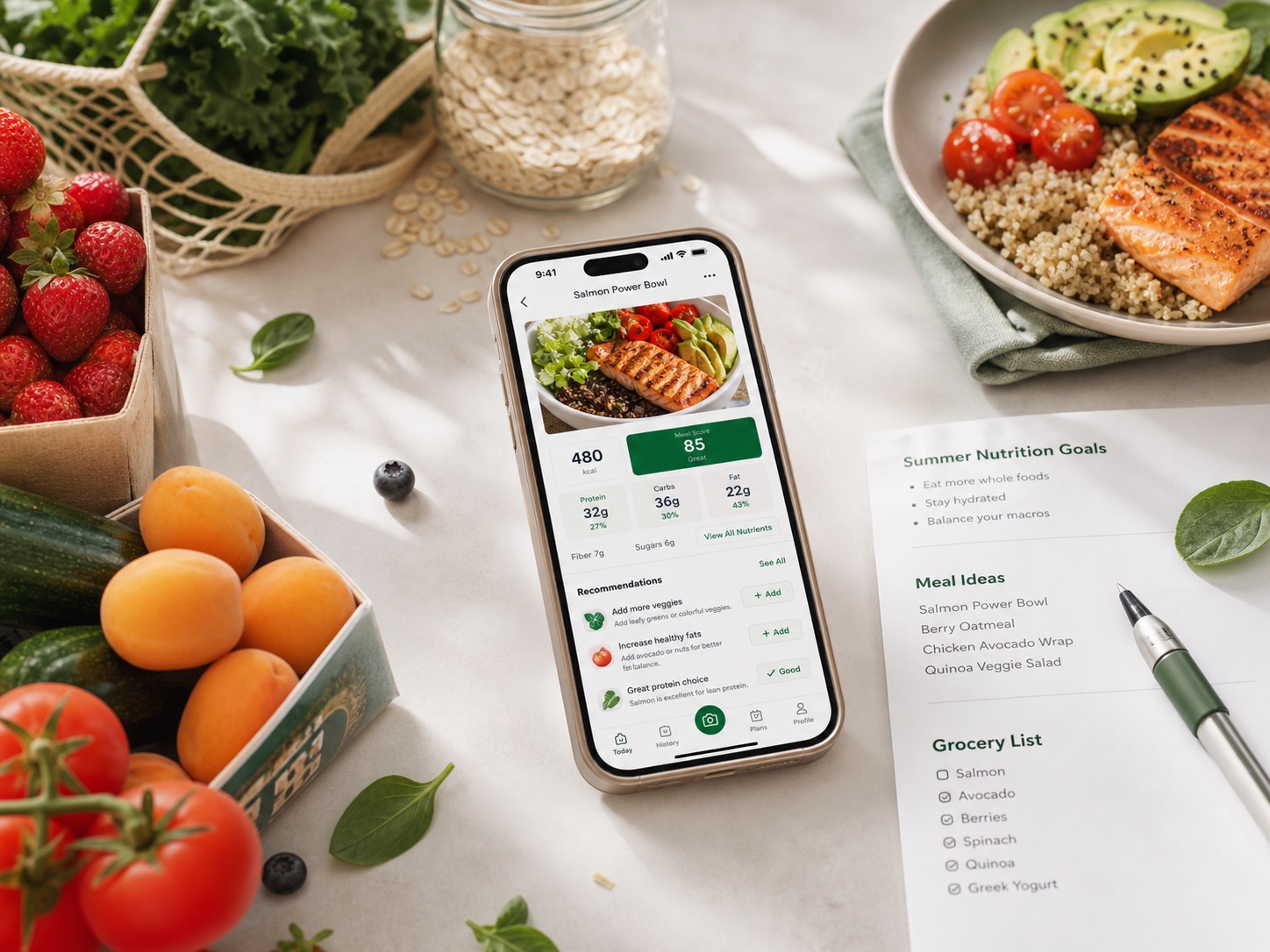
- For real meals, photo-based tracking still benefits from visible portions and short notes about oils, sauces, and hidden ingredients.
Fat loss is simple in principle: consume fewer calories than you expend. But simplicity on paper and ease in practice are worlds apart. Hunger, fatigue, and cravings make most people quit their deficit before reaching their goal.
The foods you choose matter enormously—not because they have magical fat-burning properties, but because they differ radically in satiety per calorie. Some foods fill you up on 200 calories; others leave you hungry despite 500. The difference is the deciding factor in whether your deficit is sustainable.
This list of 20 foods is built on the Holt Satiety Index (Holt et al., 1995), the foundational research comparing how different foods trigger fullness. Boiled potatoes scored 323—more than 3 times the satiety of white bread (100). That’s not coincidence. It’s structure: water, fiber, protein, and density.
What Makes a Food “Good for Fat Loss”
Three properties separate foods that help you stick to a deficit from foods that work against it:
1. High Protein Density
Protein is the most satiating macronutrient, gram for gram. A 2021 meta-analysis of high-protein diets found that eating 25–30% of calories from protein, compared to 10–15%, increased satiety and preserved muscle during weight loss. Boiled chicken breast delivers ~31g of protein per 100g—a 31% protein density. Greek yogurt reaches 22g per cup. These foods fill you up fast and stay with you.
2. High Water and Fiber Volume
Your stomach signals fullness largely through stretch receptors—volume matters as much as calories. A 200g bowl of boiled broccoli (68 calories) creates more stomach distension than a 200-calorie chocolate bar. The water and fiber in vegetables, fruits, and whole grains are essentially free volume. Boiled potatoes are so satiating because they’re ~80% water and have a compact, starch-based matrix that traps water.
3. Low Calorie Density (Under 1.5 kcal/g)
Foods with <1.5 kcal per gram—vegetables, lean proteins, whole grains, most fruits—give you more to eat for fewer calories. Spinach at 0.23 kcal/g. Chicken breast at 1.65 kcal/g. Croissants at ~4.5 kcal/g. The gap is enormous. Eating 500 calories of spinach means vast bowls; 500 calories of croissants is just a few pastries.
20 Best Foods for Fat Loss
Lean Proteins
1. Greek Yogurt (Nonfat, Plain)
One 7 oz cup of nonfat Greek yogurt contains 130 calories and 22g of protein—a protein density of 31%. This is one of the most satiating foods per calorie. A 2013 study (Vaya & DeLany) found that Greek yogurt as a snack between meals reduced subsequent hunger scores by 20–30% compared to lower-protein snacks. The live cultures (Lactobacillus and Bifidobacterium) may also support gut health, though that effect is modest. Buy plain; flavored versions hide 15–20g of added sugar per cup. Use as a base for protein bowls, parfaits, or sauces. One caveat: people with lactose sensitivity should choose lactose-free variants or non-dairy alternatives like soy or cashew yogurt (though protein drops to ~8g).
2. Egg Whites
One large egg white contains 17 calories and 3.6g of protein. A whole egg is 78 calories and 6.3g protein—similar satiety but double the calories, mostly from the yolk’s fat. If you’re in a strict deficit, egg whites are the leaner option. Three egg whites plus one whole egg creates a high-protein, moderate-calorie breakfast (~200 calories, 15g protein). Egg white omelets with vegetables are a classic fat-loss meal. Whole eggs are nutritionally superior (choline, lutein, zeaxanthin in the yolk), so whole eggs are fine if you account for the 9 calories of fat per yolk; it’s just a portion-control decision.
3. Chicken Breast (Skinless, Cooked)
100g of cooked, skinless chicken breast: 165 calories, 31g protein. This is one of the most protein-dense foods available. A typical 150g breast is ~250 calories and 47g protein—that’s 94% of protein by calorie. A 2022 systematic review found that lean poultry (chicken, turkey) was associated with greater weight loss when substituted for higher-fat meats or processed proteins. Grill, bake, or poach chicken plain; any breading or sauce adds 50–150 calories. One serving (150g) is a solid foundation for any fat-loss meal.
4. White Fish (Cod, Tilapia, Haddock)
100g of cooked white fish: 100 calories, 20g protein. White fish is leaner than salmon (which averages 206 calories, 22g protein due to higher fat content). Both are excellent, but white fish edges ahead in calorie efficiency for a pure fat-loss phase. White fish is also rich in iodine, which supports thyroid function—relevant because thyroid hormone regulates metabolic rate. Bake with lemon and herbs; avoid butter or oil sauces.
5. Tofu (Firm)
100g of firm tofu: 144 calories, 17g protein. For vegetarians and vegans, tofu is a staple. Firm tofu has a higher protein concentration than soft or silken varieties. Unlike some plant proteins, tofu contains all 9 essential amino acids. It absorbs flavors well, making it versatile in stir-fries, soups, and grain bowls. Press excess water before cooking to improve texture and calorie density.
High-Volume Vegetables
6. Boiled Potato (White or Yellow)
100g of boiled potato: 87 calories, 1.9g protein, 323 on the Satiety Index. This is the highest-ranked food in peer-reviewed satiety research. Why? Boiled potatoes are ~80% water, with a starch matrix that gelatinizes when cooked, creating a dense yet low-calorie food that triggers stretch receptors in the stomach. Potatoes also contain resistant starch when cooled, which may feed beneficial gut bacteria. One medium boiled potato (~150g) is ~130 calories and keeps you full for hours. Avoid frying and heavy additions (sour cream, butter); a simple meal of boiled potatoes plus chicken and broccoli is classic for a reason.
7. Sweet Potato
100g of cooked sweet potato: 90 calories, 2g protein. Like white potatoes, sweet potatoes are water-rich and low-calorie. The added benefit is a lower glycemic index (~70 vs. white potato’s ~100) and a wealth of beta-carotene (orange pigment, precursor to vitamin A). Sweet potatoes also have higher micronutrient density than white potatoes. One medium sweet potato (~100g) is an excellent carbohydrate choice post-workout or at dinner.
8. Oats (Steel-Cut)
1/2 cup of cooked steel-cut oats: 120 calories, 4g protein. Oats are rich in beta-glucan, a soluble fiber that slows digestion and prolongs satiety. A 2014 meta-analysis found that oat consumption was associated with lower body weight and improved cholesterol levels. Steel-cut oats (groats cut into thirds) retain more fiber and digest slower than rolled oats. Prepare with water or unsweetened almond milk; a tablespoon of almond butter (~95 calories, 3.5g protein) transforms it into a balanced breakfast. Avoid instant oatmeal packets, which often contain 10–15g of added sugar.
Legumes
9. Lentils (Red, Green, Brown—Cooked)
100g of cooked lentils: 116 calories, 9g protein. Legumes are among the most protein-dense plant foods. Lentils also contain ~8g of fiber per 100g, promoting fullness and gut health. They have a low glycemic index, so blood sugar rises gradually—important for sustained energy and reduced hunger swings. Lentil soups, lentil pasta, or lentils mixed into grain bowls are practical preparations. One small caveat: dried lentils must be cooked from scratch; canned lentils are convenient but sometimes higher in sodium.
10. Black Beans (Cooked)
100g of cooked black beans: 132 calories, 8.9g protein. Black beans are slightly higher in calories than lentils (more starch) but equally protein-rich. They’re a staple in Latin American and Caribbean cuisines. One cup cooked (~250g) provides ~22g protein and ~15g fiber, making them suitable as a primary protein source in a vegetarian or vegan meal. Mix with brown rice for a complete amino acid profile.
Non-Starchy Vegetables
11. Spinach (Raw)
100g of raw spinach: 23 calories, 2.9g protein. Spinach is a calorie phantom—you can eat massive portions and barely impact your daily intake. It’s rich in folate, magnesium, and oxalates (which bind calcium, so don’t rely solely on spinach for calcium). Raw spinach is high-volume in salads; cooked spinach compacts but becomes extremely calorie-light. A full cup of raw spinach wilts to a few tablespoons when cooked.
12. Broccoli (Cooked)
100g of cooked broccoli: 34 calories, 2.8g protein, 4g fiber. Broccoli is famous for its sulforaphane content—a compound being studied for anti-cancer properties, though evidence in humans is preliminary. The real value here is extreme low calorie density and high fiber. You’d need to eat 6 cups of broccoli to hit 200 calories. Pair with a lean protein for satiety and a source of fat (olive oil, nuts) for absorption of fat-soluble vitamins.
13. Cauliflower (Raw or Cooked)
100g of cauliflower: 25 calories, 2g protein, 2.4g fiber. Like broccoli, cauliflower is ultra-low calorie and versatile. Riced cauliflower (finely chopped) is a low-carb substitute for rice; cauliflower pizza crusts and buffalo cauliflower are popular in weight-loss communities. The trade-off is lower satiety than starchy vegetables—you might need more volume to feel full, which is fine given the calorie cost.
14. Bell Peppers
100g of raw bell pepper: 31 calories, 1g protein. Bell peppers are low-calorie vegetables rich in vitamin C (one red pepper provides ~150% of daily needs) and have a pleasant sweetness that can satisfy cravings. Raw or roasted, they add flavor to salads, stir-fries, and egg dishes without calorie overhead.
Fruits
15. Strawberries (Fresh)
100g of strawberries: 32 calories, 1g protein, 2g fiber. Strawberries are among the lowest-calorie fruits due to high water content (~91%). They’re rich in vitamin C and anthocyanins (antioxidants). A full cup (~150g) is only ~48 calories—you could eat three cups and stay under 150 calories. Frozen strawberries (unsweetened) are nutritionally identical and budget-friendly.
16. Blueberries
100g of blueberries: 57 calories, 0.7g protein, 2.4g fiber. Blueberries are slightly higher in calories than strawberries because they’re denser, but they’re famous for anthocyanin content—associated with cognitive and cardiovascular benefits in observational studies. A 100g serving (slightly less than a cup) is a reasonable snack.
17. Apples
One medium apple (182g): 95 calories, 0.5g protein, 4.4g fiber. Apples have a low glycemic index due to soluble fiber (pectin) that slows sugar absorption. A 2015 study found that eating a whole apple before a meal reduced subsequent hunger ratings more than applesauce or apple juice—the physical form and fiber matter. The skin contains most of the fiber, so don’t peel.
18. Watermelon
100g of watermelon: 30 calories, 0.6g protein, 92% water. Watermelon is ideal for high-volume eating. A whole medium watermelon (~5 kg) is only 500 calories. The catch: watermelon has a high glycemic index due to low fiber and high simple sugars. It’s best paired with a protein or fat (e.g., watermelon with cottage cheese) to moderate the blood sugar response. Refreshing in summer, but not a meal replacement.
Other High-Satiety Foods
19. Cottage Cheese
100g of cottage cheese (2% fat): 98 calories, 11g protein. Cottage cheese is a casein-based dairy product; casein digests slowly, triggering prolonged satiety compared to whey. It’s often overlooked in modern diets, but it’s an excellent evening snack (casein-based protein releases amino acids slowly through the night, supporting muscle recovery). Top with berries and a small drizzle of honey for a balanced dessert-like option.
20. Air-Popped Popcorn
1 cup of air-popped popcorn: 31 calories, 1g protein. Popcorn is a whole grain (corn kernels), not a processed snack. When air-popped without oil, it’s extremely low in calories. The high volume per calorie makes it satiating—you eat a large bowl for <100 calories. Flavor with nutritional yeast, cinnamon, or light salt spray; avoid butter or artificial flavoring (which adds 50+ calories per 2 tbsp). Popcorn is a practical snack for people who like to have something to munch on during work or film time.
What to Avoid (or Eat Sparingly)
These foods aren’t “bad” in absolute terms—you won’t gain weight from eating them once. But they’re inefficient in a deficit:
- Sugar-sweetened beverages: Soda, sweet tea, fruit juice, and sweetened coffee drinks provide 200–300 calories with zero satiety because they’re liquid. Drink water, black coffee, or unsweetened tea instead.
- Refined pastries and baked goods: Croissants, donuts, cookies, and white bread are calorie-dense (~3–5 kcal/g) with minimal fiber or protein. A single croissant (~100g) is ~400 calories; you could eat a full chicken breast plus two cups of broccoli for the same calories.
- Candy and chocolate: Pure sugar and fat with zero satiety. These are treats, not staples.
- Fried foods: Frying doubles or triples the calorie density. Fried chicken (3.2 kcal/g) has 2x the calories of boiled chicken (1.65 kcal/g) for the same weight.
- Alcohol: 1g of alcohol = 7 calories (more than protein or carbs at 4 kcal/g). Alcohol impairs decision-making, increasing calorie intake downstream. Not forbidden, but expensive calorically.
How to Build a Plate for Fat Loss
A simple, foolproof template:
- Half the plate: non-starchy vegetables (spinach, broccoli, cauliflower, peppers, etc.). Aim for 100–150 calories.
- Quarter plate: lean protein (palm-sized portion of chicken, fish, Greek yogurt, or legumes). Aim for 120–180 calories, 25–35g protein.
- Quarter plate: complex carbohydrate (fist-sized portion of boiled potato, sweet potato, oats, or brown rice). Aim for 150–200 calories.
- Minimal added fat: a drizzle of olive oil (~120 calories/tbsp) or a thumb-sized serving of nuts (~100 calories per ounce). Most lean proteins and vegetables are so low-calorie that added fat barely impacts satiety; use sparingly.
Example meal (~550 calories, 35g protein):
- 200g chicken breast (330 kcal, 47g protein)
- 200g boiled broccoli (68 kcal, 5.6g protein)
- 150g boiled potato (130 kcal, 2.9g protein)
- 1 tsp olive oil for cooking (40 kcal)
This plate would keep you full for 3–4 hours and fits into any calorie deficit.
The Bottom Line
No single food burns fat. Fat loss requires a calorie deficit, which means eating less than you expend. The foods on this list—from boiled potatoes to Greek yogurt to lentils—aren’t magic. They’re simply foods that give you the most volume, fullness, and protein for the fewest calories, making your deficit easier to sustain.
Swap calorie-dense, low-satiety foods (pastries, fried foods, sugary drinks) for these 20, build balanced plates with the template above, and maintain your deficit. Consistency beats perfection. You’ll lose fat.
Frequently asked questions
Can food 'burn fat' or speed up metabolism?
No single food burns fat. Fat loss requires a calorie deficit—consuming fewer calories than you expend. Some foods (like those high in protein) require slightly more energy to digest, but the effect is modest. The real value of these 20 foods lies in their satiety per calorie, which helps you stick to a deficit without constant hunger.
What makes a food good for weight loss?
Three properties: high protein content (20g+ per serving), high water and fiber volume (which triggers satiety signals), and low calorie density (under 1.5 kcal per gram). The Holt Satiety Index (1995) ranks foods by how full they make you; boiled potatoes scored 323 versus white bread's 100. Foods high on this index let you eat more volume for fewer calories.
Do I need to eat only these 20 foods to lose weight?
No. These 20 are examples of foods that fit fat-loss diets well because of their satiety profile. You can lose weight on any calorie deficit, including pizza and ice cream—portion control matters more than food choice. That said, swapping calorie-dense foods (pastries, fried foods, sugary drinks) for these options makes the deficit much easier to sustain.
How much protein do I need while losing fat?
Evidence suggests 1.6–2.2g per kg of body weight daily helps preserve muscle during weight loss. For a 70 kg person, that's roughly 112–154g per day. High-protein intake also increases satiety and diet-induced thermogenesis. All 20 foods listed here are chosen partly for their protein content or lack thereof (e.g., plain vegetables) is offset by ultra-low calories.
What about eating these foods in combination—does that change the effect?
Somewhat. Combining a lean protein (chicken) with non-starchy vegetables and a whole grain creates a complete, satiating meal. Fiber in vegetables and whole grains slows digestion, prolonging fullness. The glycemic response also moderates when protein, fat, and fiber are present together, reducing blood-sugar swings that trigger hunger later.