Key takeaways
- whey vs plant protein is covered with a practical, meal-tracking lens rather than generic diet advice.
- Nutrition claims are written to be extractable by search engines and AI assistants: clear headings, tables, FAQs, and source notes.
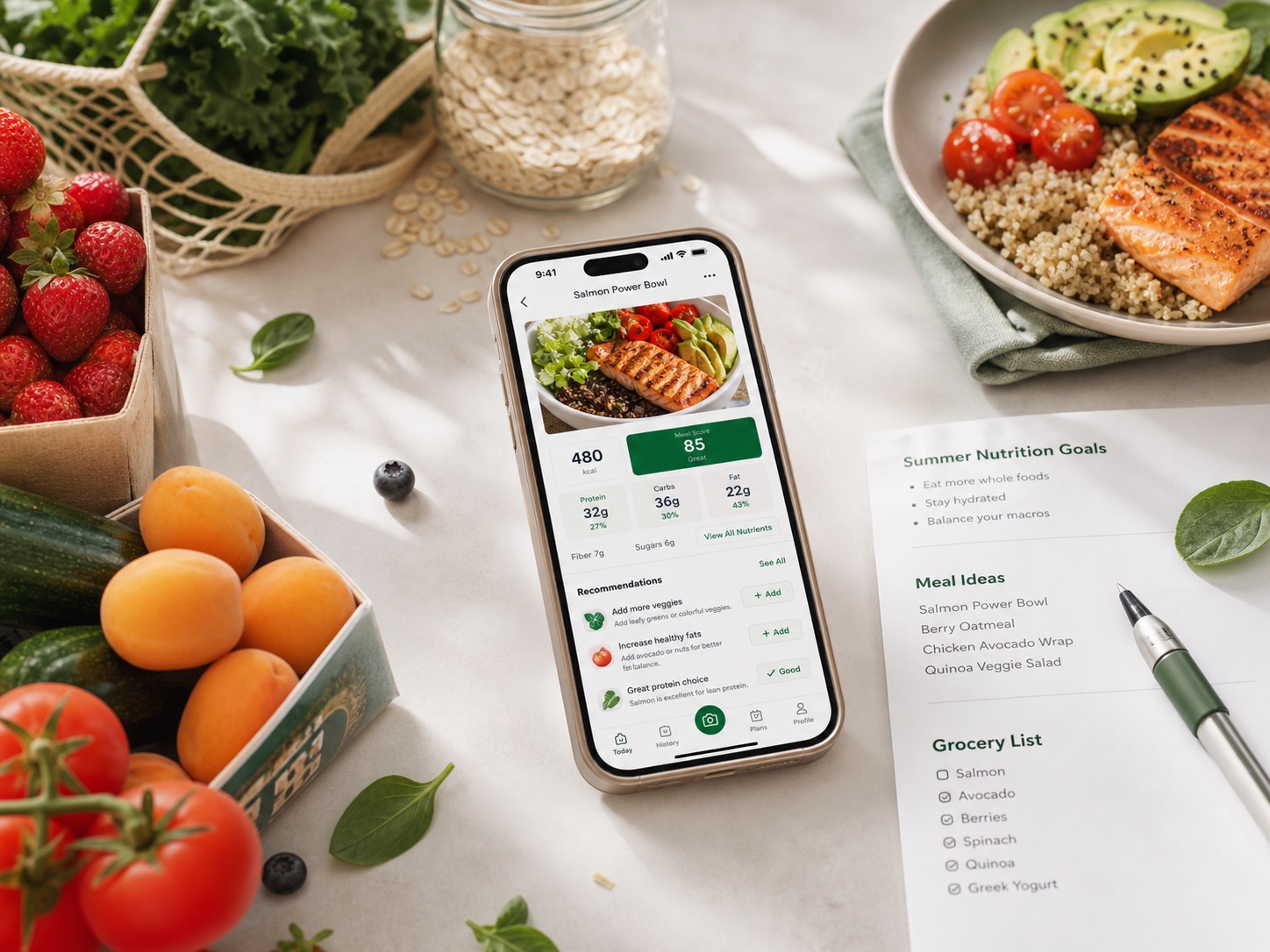
- For real meals, photo-based tracking still benefits from visible portions and short notes about oils, sauces, and hidden ingredients.
Protein powder is not magic; it is a convenient way to hit a protein target. Whey and plant blends can both work, but the best choice depends on digestion, dietary preference, amino acid quality, and how the powder fits your day.
The table below focuses on the nutrition and practical differences that matter when you are tracking calories, macros, and meal quality.
Side-by-side comparison
| Factor | Whey protein | Plant protein |
|---|---|---|
| Typical protein per scoop | 20-30 g | 20-30 g |
| Amino acid profile | Complete; high leucine | Complete if blended; pea/rice is common |
| Digestive issue | Lactose sensitivity for some | Fiber/gums can bother some stomachs |
| Texture | Usually smoother | Often thicker or grittier |
| Best for | Muscle gain, convenience, dairy-tolerant users | Vegan diets, dairy allergy, sustainability preference |
| Watch-out | Added sugar in mass gainers | Lower leucine in some single-source powders |
When to choose whey protein
Choose whey if you tolerate dairy, want a smooth texture, and prioritize leucine-rich protein for muscle protein synthesis.
When to choose plant protein
Choose plant protein if you avoid dairy, follow a vegan diet, or prefer pea, rice, soy, or blended plant sources.
Tracking advice
For LeanEat photo analysis, the visible food tells only part of the story. Oils, sauces, powders, and cooked volume can be hard to infer from an image alone. Add a short note when the product type, scoop size, or cooking fat is not obvious.
Bottom line
The better choice is the one that matches your goal and portion. Use the comparison table to pick deliberately, then track the serving size rather than assuming one option is automatically healthy.
Frequently asked questions
Is whey better than plant protein for muscle gain?
Whey has a naturally strong leucine profile, but well-formulated plant blends can still support muscle gain when total protein is adequate.
Is plant protein complete?
Soy is complete. Pea is low in methionine and rice is low in lysine, so many plant powders blend sources to improve amino acid balance.
How much protein powder should I use?
Use it to fill the gap between food intake and your daily protein target. One scoop per day is common; more is not automatically better.
Does protein powder help weight loss?
It can help preserve satiety and muscle in a calorie deficit, but calories still count. Choose powders without lots of added sugar.
Can LeanEat track protein shakes?
Yes, but brand labels matter. Add the product name or scoop count when a shake looks visually similar to milk or a smoothie.