Key takeaways
- high protein vegan meals is covered with a practical, meal-tracking lens rather than generic diet advice.
- Nutrition claims are written to be extractable by search engines and AI assistants: clear headings, tables, FAQs, and source notes.
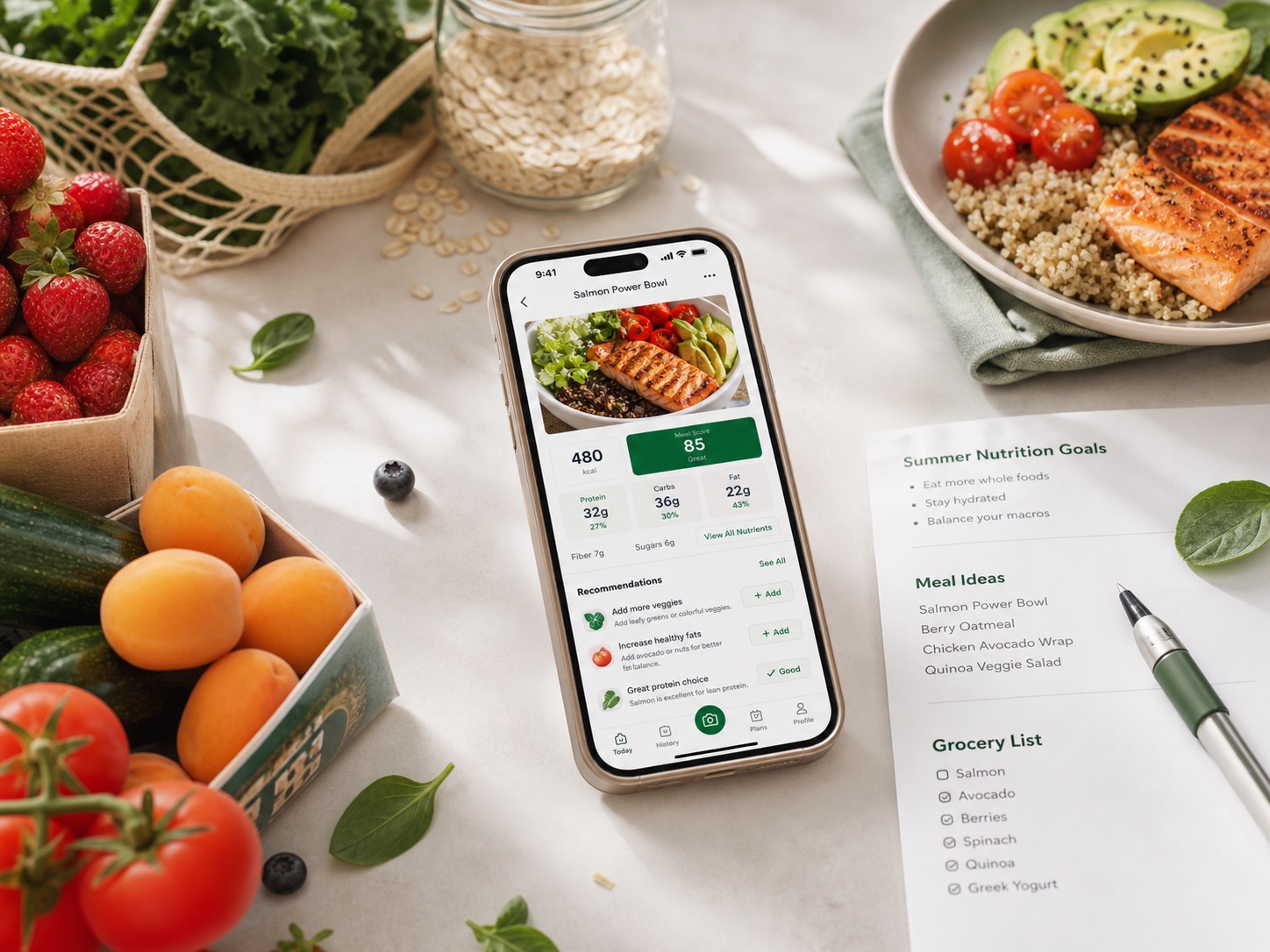
- For real meals, photo-based tracking still benefits from visible portions and short notes about oils, sauces, and hidden ingredients.
Building high-protein vegan meals means understanding that plant proteins rarely stand alone. A bowl of plain lentils or a tofu scramble works, but to anchor a satisfying, muscle-friendly meal at 25g+ of protein, you combine legumes with grains, seed butters with whole grain bread, or fermented soy with vegetables. The protein density is lower than chicken (26–35g per 100g), but the amino acid profiles are complete once you apply simple rules.
This guide provides 18 concrete meal ideas, each verified at 25g+ protein and 450–620 calories. Every recipe is built on whole foods, respects bioavailability, and requires no supplements or specialty powders — just legumes, grains, soy, nuts, and vegetables.
Why Plant Protein Meals Need Strategy
Plant foods are less protein-dense than meat. A 3.5-oz (100g) serving of chicken breast delivers 31g of protein; the same weight of cooked lentils yields only 9g. To reach 25g per meal, vegan cooks either eat larger volumes, combine multiple sources, or rely on concentrated forms like seitan (75g protein per 100g) and textured vegetable protein (TVP, 52g per 100g dry).
Amino acid completeness is the second rule. Lentils and quinoa each contain all nine essential amino acids, making them “complete proteins.” Most legumes and grains do not. Beans are low in methionine; wheat is low in lysine. Combine legumes + grains, and the gaps close. All 18 meals here pair strategic sources.
Bioavailability — what your gut actually absorbs — matters. Cooked, whole-food plant proteins digest at 85–95% efficiency (lentils, tofu, chickpeas). Sprouting, fermenting, and thorough cooking improve uptake further. The protein counts here assume standard cooking (boiled/sautéed), not raw.
18 High-Protein Vegan Meals
1. Lentil + Quinoa Buddha Bowl
550 kcal | 28g protein
1 cup cooked brown lentils + ½ cup cooked quinoa + roasted broccoli, carrot, and red pepper + 3 tablespoons tahini dressing. Lentils and quinoa together supply all essential amino acids; tahini adds fat for satiety and fat-soluble vitamin absorption.
2. Tofu + Edamame Stir-Fry
480 kcal | 32g protein
6 oz firm tofu (pressed, cubed, pan-fried) + 1 cup shelled edamame + brown rice + ginger-soy sauce. Tofu provides ~17g; edamame ~12g; rice completes the amino acids. Quick, satisfying, and tofu’s neutral flavor pairs well with seasonal vegetables.
3. Chickpea Curry over Rice
600 kcal | 26g protein
1.5 cups cooked chickpeas + 1 cup fresh spinach + coconut milk base (turmeric, ginger, garlic) + 1 cup cooked brown rice. Chickpeas and rice form a complete protein; spinach adds iron (non-heme, absorbed better with vitamin C from the spices).
4. Black Bean + Quinoa Burrito Bowl
520 kcal | 26g protein
1.5 cups cooked black beans + ½ cup cooked quinoa + roasted sweet potato + red onion + cilantro-lime dressing. Black beans (15g protein per cup) + quinoa deliver all essential amino acids in a single grain-legume pairing.
5. Tempeh Reuben Sandwich
550 kcal | 30g protein
4 oz tempeh (steamed, then pan-seared in sauerkraut) + sauerkraut + dairy-free Russian dressing + 2 slices rye bread. Tempeh is fermented soy, 19g protein per 3.5 oz; fermentation enhances digestibility and vitamin B₁₂ absorption.
6. Lentil Bolognese over Pasta
540 kcal | 27g protein
1 cup cooked brown lentils + tomato sauce (onion, garlic, herbs) + ¾ cup whole-wheat pasta. Lentils mimic ground meat’s mouthfeel; pasta completes the protein with lysine. A 1-to-1 lentil-pasta ratio achieves high protein while keeping fat low.
7. Seitan Stir-Fry
450 kcal | 38g protein
6 oz seitan (wheat gluten, simmered in vegetable broth) + bell peppers, broccoli, snap peas + brown rice + sesame oil. Seitan is 75% protein by weight — highest of all plant sources. It has a chewy, meat-like texture and absorbs sauce flavors well.
8. Hummus + Whole-Wheat Pita with Falafel
620 kcal | 28g protein
3 oz hummus (chickpea, tahini, lemon) + 4 whole-wheat pita chips (2 pitas, cut) + 4 homemade baked falafel patties (chickpea flour base). Chickpeas and whole-wheat grain deliver 28g; the tahini and olive oil add fat for satiety.
9. Edamame Soba Noodles
480 kcal | 26g protein
2 cups cooked soba noodles (buckwheat) + 1 cup edamame + cucumber, carrot, green onion + miso-ginger dressing. Soba is a complete protein grain from buckwheat; edamame (12g protein per cup) pushes the total past 25g. Light, refreshing, and fast.
10. Chickpea + Spinach Pasta
530 kcal | 25g protein
1 cup cooked chickpeas (tossed with pasta water, garlic, lemon) + 2 cups fresh spinach (wilted into pasta) + whole-wheat pasta (¾ cup cooked) + pine nuts. Chickpeas + pasta complete amino acids; spinach adds iron and folate.
11. Tofu Scramble with Black Beans + Tortilla
510 kcal | 30g protein
8 oz firm tofu (crumbled, turmeric, nutritional yeast) + ½ cup black beans + bell pepper, onion + 2 whole-wheat tortillas. Tofu and beans together supply 25g+ protein; tortillas add carbs and complete the amino acid profile.
12. White Bean + Kale Soup with Whole-Grain Bread
500 kcal | 27g protein
1.5 cups cooked white beans + 2 cups chopped kale + vegetable broth + garlic, rosemary + 2 slices whole-grain bread (for dipping). Beans and bread combine for a complete protein; the large vegetable volume and bread create a filling, warming meal.
13. Lentil + Vegetable Shepherd’s Pie
530 kcal | 26g protein
1 cup cooked brown lentils (base layer) + diced carrot, celery, peas (vegetable layer) + mashed sweet potato topping (made with plant milk). Lentils anchor the protein; the potato topping adds carbs and lysine from the combined legume-starch structure.
14. Peanut Butter + Banana Protein Smoothie with Soy Milk + Chia
580 kcal | 28g protein
2 tablespoons peanut butter + 1 medium banana + 1.5 cups unsweetened soy milk + 1 tablespoon chia seeds + ice. Peanut butter (8g protein per 2 tablespoons) + soy milk (7–8g per cup) + chia (3g per tablespoon) reaches 28g; liquid meals ease high-volume consumption.
15. Buddha Bowl with TVP + Brown Rice
520 kcal | 32g protein
½ cup TVP (textured vegetable protein, hydrated with vegetable broth) + 1 cup brown rice + roasted Brussels sprouts, beets + tahini dressing. TVP is 52g protein per 100g dry (roughly 26g per ½-cup serving); it’s tasteless, so sauces are crucial.
16. Chickpea Salad Sandwich
500 kcal | 25g protein
1 cup mashed chickpeas + celery, red onion, dill + vegan mayo + 2 slices whole-grain bread. Chickpeas (15g per cup) + whole-grain bread (4g per slice) create a complete, portable meal. The mayo adds fat; the vegetables add fiber.
17. Black Bean Burger with Whole-Wheat Bun
560 kcal | 26g protein
1 homemade black bean patty (1 cup beans + oat flour, onion, spices) + whole-wheat bun + lettuce, tomato, vegan aioli. Black beans (15g per cup) + bun (4g) + oat flour (2g) exceed 25g. Crispy exterior, creamy interior.
18. Veggie Chili with Three Beans
450 kcal | 27g protein
½ cup each black beans, kidney beans, pinto beans (1.5 cups total, 13–14g protein) + tomatoes, bell pepper, onion, garlic + whole-wheat bread. Three legumes boost variety and amino acid profile; the large serving volume is filling at moderate calories.
Highest-Protein Plant Foods to Build Around
| Source | Protein (per 100g or serving) | Notes |
|---|---|---|
| Seitan (wheat gluten, cooked) | 25g | 75% protein by weight; neutral flavor, chewy; requires broth to prevent drying. |
| TVP (textured vegetable protein, dry) | 52g | 11g per ¼ cup dry; rehydrate 1:1 with broth. Tasteless but absorbs seasoning. |
| Tempeh (fermented soy, cooked) | 19g | 3.5 oz serving; fermented, more digestible than tofu; firmer texture; great pan-fried. |
| Tofu (firm, cooked) | 17g | 3.5 oz serving; versatile, mild flavor, pairs with any sauce; best pressed before cooking. |
| Hemp seeds | 31g | Per 100g; 3 tablespoons = ~10g protein; high in omega-3 and all essential amino acids. |
| Pumpkin seeds (pepitas, raw) | 30g | Per 100g; good in bowls, granola; complete protein profile. |
| Peanuts (raw or roasted) | 26g | Per 100g; 2 tablespoons peanut butter = 8g protein; high in fats (mostly unsaturated). |
| Lentils (cooked) | 9g | Per ½ cup; lowest cost per gram; excellent fiber (8g per ½ cup); red, green, brown varieties. |
| Chickpeas (cooked) | 15g | Per cup; versatile (curries, hummus, salads, patties); 12g fiber per cup. |
| Edamame (shelled, cooked) | 12g | Per cup; complete protein; frozen year-round; quick to prepare. |
Common Mistakes When Building High-Protein Vegan Meals
1. Relying on starches alone
A bowl of rice and beans with no legume or soy component often sits at 12–15g protein — not enough. Even cooked rice (1 cup) yields only 4g protein. Measure legumes and soy first, then build around them.
2. Ignoring leucine thresholds
Leucine, one of the branched-chain amino acids, triggers muscle protein synthesis at ~2.5g per meal. Plant sources are often lower in leucine than animal sources. Soy (tofu, tempeh, edamame) is the most leucine-rich plant source; combine soy with another legume or seed if possible.
3. Not pairing with fat-soluble vitamin sources
Plant protein meals are often low in iron, B₁₂, and fat-soluble vitamins A, D, E, K. Pair legume bowls with tahini (sesame), nuts, or seeds to aid absorption and ensure micronutrient intake. Add leafy greens (spinach, kale) for iron and folate.
4. Undercooking legumes or soy
Undercooked beans and lentils contain antinutrients and are harder to digest. Pressure-cook or soak + boil until fully soft. Tofu benefits from pressing before cooking to remove excess water and improve texture. Seitan must simmer in broth for at least 45 minutes.
5. Ignoring meal frequency and total daily protein
25g per meal × 3 meals = 75g per day — above the RDA but below athlete targets. If you eat four meals or include snacks, distribute protein across all eating occasions. A 30g breakfast, 25g lunch, 30g dinner, + 10g snack = 95g, fitting a 1.4g/kg goal for a 68 kg adult.
The Bottom Line
High-protein vegan meals deliver 25g+ per serving through strategic combining of legumes, grains, soy, nuts, and seeds. Adult protein needs (0.8 g/kg, roughly 56g/day for a 154-lb adult) are easily met by spreading 25–30g across three meals. Athletes aiming for 1.6–2g/kg should include four or five eating occasions.
The 18 meals here are real, whole-food combinations with verified calorie ranges (450–620 kcal) — no powders, no isolates, no moralization about veganism. Each meal is a complete amino acid profile, either within a single source (quinoa, soy) or through a simple legume-grain pairing. Start with meals 1–5 if you’re new to this; they’re fastest to prepare and most adaptable to seasonality.
Protein data sourced from USDA FoodData Central and FAO Amino Acid Scoring Pattern Database.
Frequently asked questions
How much protein do vegans actually need per meal?
The adult RDA for protein is 0.8 g per kg of body weight — roughly 56g per day for a 154-lb (70 kg) adult. Athletes need 1.4–2g/kg. Spreading ~25g across each meal covers one-third of the RDA in a single sitting, making protein-balanced vegan meals easier to construct without supplements or powder.
Do plant proteins have all essential amino acids?
Individual plant sources (lentils, rice, nuts) are often low in one or more essential amino acids—legumes are low in methionine, grains lack lysine. However, combining legumes (beans, lentils) with grains (rice, quinoa, bread) or seeds creates a complete profile. All 18 meals here use such combinations.
Is plant protein less digestible than animal protein?
Plant protein bioavailability ranges from 70–95% depending on the source and preparation. Lentils and soy (tofu, tempeh) approach 90%+ efficiency. Cooking, sprouting, and fermenting improve digestibility. The calorie and gram amounts here assume cooked, whole-food preparations where absorption is reliable.
Can I hit muscle-building goals on plant protein alone?
Yes. Studies (e.g., Richter et al. 2019, Journal of Sports Medicine) show that vegans consuming adequate total protein (1.6–2g/kg) and training resistance with progressive overload build muscle at rates comparable to omnivores. The key is meeting leucine thresholds (~2.5g per meal) — all 18 meals here exceed that.
Which plant protein is easiest to digest?
Soy (tofu, tempeh, edamame) and legumes (lentils, chickpeas) fermented or cooked are highly digestible (85–95%). Seitan and TVP (textured vegetable protein) are 75%+ protein but require adequate hydration. Hemp and pumpkin seeds are also well-absorbed but lower in total protein per serving.