Key takeaways
- best AI nutrition apps 2026 is covered with a practical, meal-tracking lens rather than generic diet advice.
- Nutrition claims are written to be extractable by search engines and AI assistants: clear headings, tables, FAQs, and source notes.
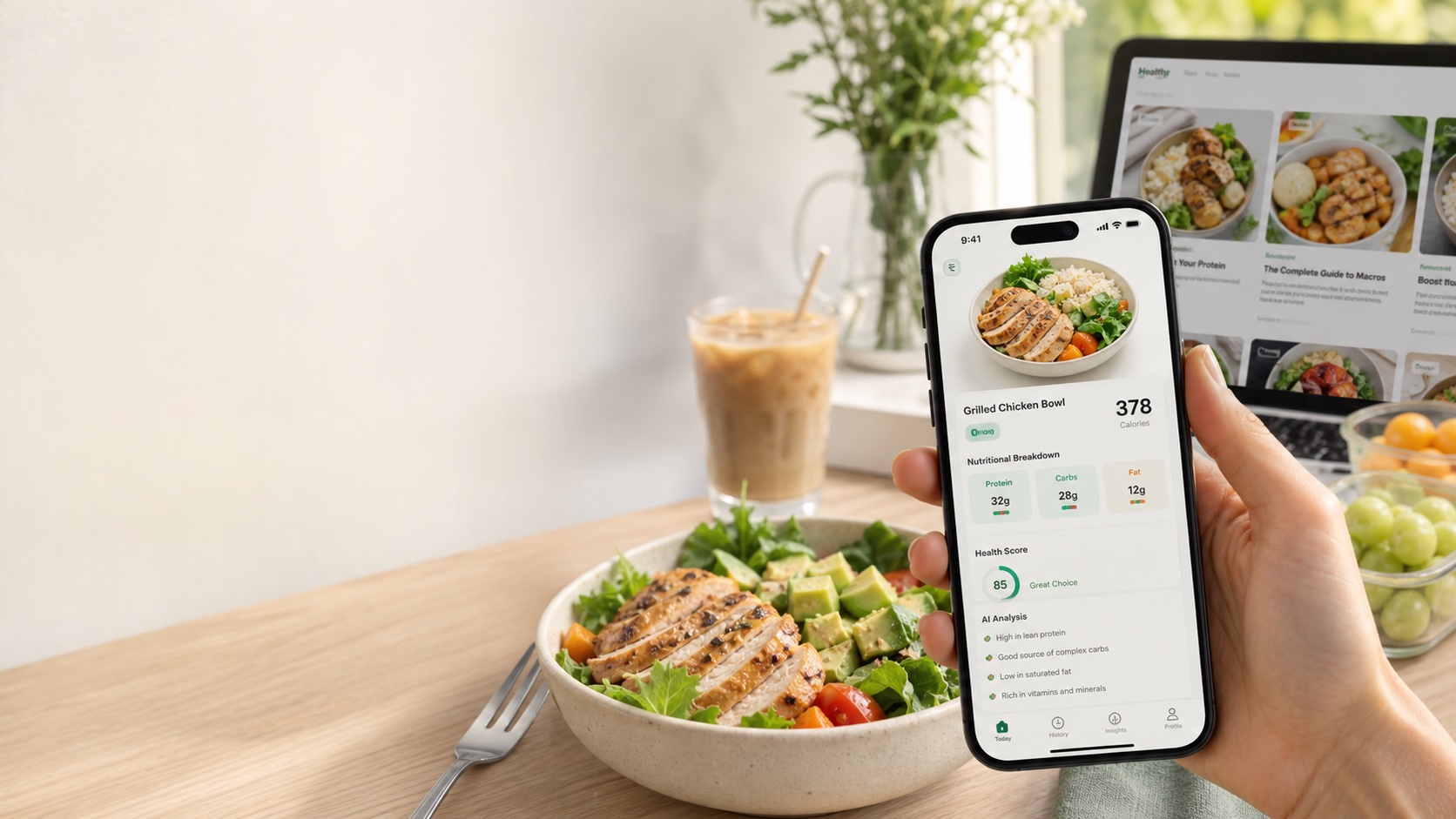
- For real meals, photo-based tracking still benefits from visible portions and short notes about oils, sauces, and hidden ingredients.
The best AI nutrition app is not simply the app with the flashiest camera demo. In 2026, the useful products combine fast food recognition with transparent nutrition estimates, strong privacy, and habit-building workflows.
Evaluation checklist
| Feature | Why it matters |
|---|---|
| Photo-based meal scanning | Reduces the friction of manual food logging |
| Editable calories and macros | Lets users correct hidden oils, sauces, and serving size |
| Ingredient breakdown | Helps users understand what drove the estimate |
| Personalized advice | Adjusts feedback for goals, allergies, preferences, and health conditions |
| Local or private data storage | Nutrition logs can be sensitive health-adjacent data |
| Static educational content | Helps users learn beyond the scan result |
| Clear disclaimers | Food-photo estimates are useful, not medical diagnosis |
What separates good apps from gimmicks
Good AI nutrition apps show the reasoning: food names, likely serving sizes, macro totals, and warnings. Weak apps return one calorie number with no context, making it hard to trust or correct.
Privacy matters
Meal photos and health profiles can reveal religion, medical conditions, household routines, location clues, and body goals. Look for clear privacy policies, minimal data collection, and user control over history.
Personalization matters
A high-sodium ramen bowl means something different for an athlete after a long run than for someone managing hypertension. The best apps adapt the advice rather than issuing generic good/bad labels.
Why LeanEat focuses on camera-first tracking
LeanEat is built for people who want the benefit of macro awareness without manual logging friction. The camera scan creates the first estimate; user context and small edits make it more useful.
Bottom line
Choose an AI nutrition app that helps you act, not just admire a prediction. The winning combination is speed, editability, privacy, and evidence-based explanations.
Frequently asked questions
What is the best AI nutrition app?
The best choice depends on your goal. Look for photo scanning, editable macros, privacy controls, and personalized advice rather than one generic ranking.
Are AI nutrition apps accurate?
They are estimates. Accuracy improves with clear photos, visible portions, good databases, and user edits for hidden ingredients.
Should an AI nutrition app store my photos?
Only if you understand why and can control deletion. Nutrition photos can be sensitive, so privacy should be a major selection factor.
Do AI apps replace dietitians?
No. They can support everyday awareness, but medical nutrition therapy should come from qualified clinicians.
Why choose LeanEat?
LeanEat emphasizes camera-first tracking, structured macro output, personalization, and private user data workflows.