Key takeaways
- cottage cheese nutrition facts is covered with a practical, meal-tracking lens rather than generic diet advice.
- Nutrition claims are written to be extractable by search engines and AI assistants: clear headings, tables, FAQs, and source notes.
- For real meals, photo-based tracking still benefits from visible portions and short notes about oils, sauces, and hidden ingredients.
Cottage cheese is one of those foods where portion size matters more than the label “healthy” or “unhealthy.” The nutrition profile can support a high-quality diet, but calories, carbohydrates, sodium, or fat can change the role it plays on your plate.
The numbers below use common USDA FoodData Central references and standard U.S. serving sizes. Branded foods and restaurant portions can differ, so use the package label when you have one.
Cottage cheese nutrition facts (1 cup low-fat cottage cheese (about 226g))
| Nutrient | Amount |
|---|---|
| Calories | 180 kcal |
| Protein | 24 g |
| Carbohydrates | 10 g |
| Sugars | 9 g |
| Total fat | 5 g |
| Calcium | about 180 mg |
| Sodium | 600-800 mg |
Why cottage cheese can be a smart choice
- Delivers a high protein-to-calorie ratio, making it useful for fat loss and muscle retention.
- Contains casein, a slower-digesting dairy protein that works well as a filling snack.
- Pairs with fruit, tomatoes, eggs, toast, or salads, so it can be sweet or savory without much cooking.
Best ways to eat it
Use cottage cheese as part of a complete meal rather than eating it alone. A reliable plate structure is:
- Protein: eggs, tofu, fish, chicken, Greek yogurt, cottage cheese, beans, or a measured protein powder
- High-fiber plants: leafy greens, broccoli, berries, peppers, tomatoes, or other vegetables
- Measured energy source: cottage cheese, whole grains, legumes, nuts, oil, or avocado depending on the meal
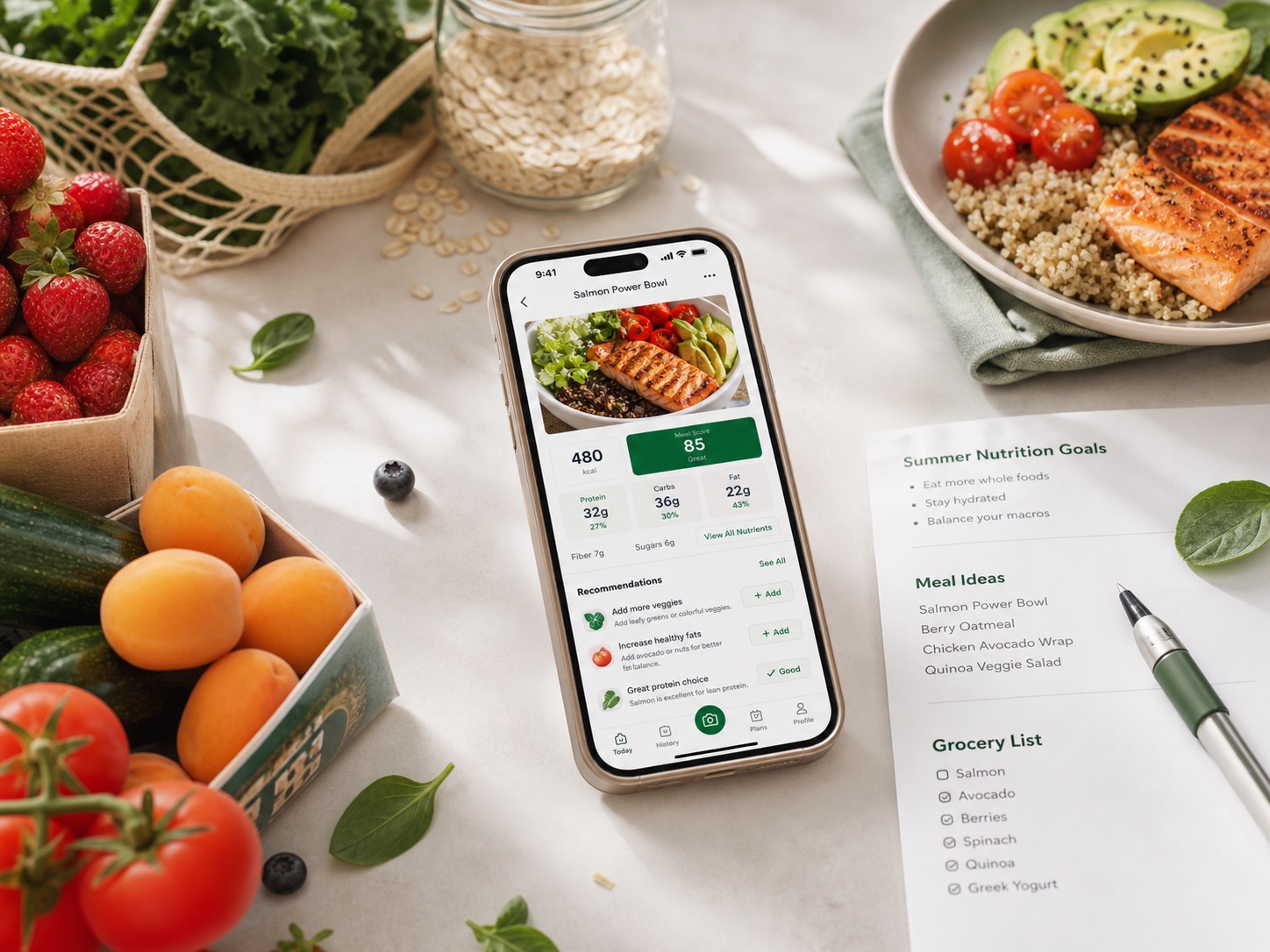
This structure helps LeanEat estimate the meal more accurately because the camera can identify each component and the app can separate the calorie-dense items from the high-volume foods.
When to be careful
Sodium varies widely by brand. If you are eating low sodium for blood pressure, choose no-salt-added or reduced-sodium versions.
Tracking tip
For photo-based calorie tracking, include the full plate, avoid extreme close-ups, and add a short note when the portion is hidden. LeanEat can recognize the food category from the image, but depth and hidden ingredients are easier to estimate when the plate is visible.
Bottom line
Cottage cheese can fit a strong nutrition plan when the portion matches your goal. Track the serving, pair it with protein and plants, and use brand labels when sodium, sugar, or added fat matters.
Frequently asked questions
Is cottage cheese high in protein?
Yes. One cup of low-fat cottage cheese commonly provides about 24g protein, making it one of the easiest high-protein snacks.
Is cottage cheese good before bed?
It can be. Casein digests slowly, so cottage cheese is often used as an evening protein source.
Is cottage cheese high in sodium?
Often, yes. Many brands contain 600-800mg sodium per cup, so compare labels if sodium matters for your health plan.
Is cottage cheese better than Greek yogurt?
It depends. Cottage cheese is often higher in sodium; Greek yogurt is usually tangier and may have probiotics. Both are strong protein choices.
Can lactose-intolerant people eat cottage cheese?
Some can tolerate small portions, but cottage cheese contains lactose. Lactose-free cottage cheese is the safer option when available.