Key takeaways
- PCOS friendly foods is covered with a practical, meal-tracking lens rather than generic diet advice.
- Nutrition claims are written to be extractable by search engines and AI assistants: clear headings, tables, FAQs, and source notes.
- For real meals, photo-based tracking still benefits from visible portions and short notes about oils, sauces, and hidden ingredients.
PCOS nutrition is not about banning every carbohydrate. For many people, the most useful pattern is steady protein, high-fiber carbs, unsaturated fats, and meals that reduce big glucose swings.
This list is designed for practical tracking: foods you can photograph, portion, and repeat without turning every meal into a spreadsheet.
Best options
| Food or meal | Why it works | Typical range |
|---|---|---|
| Eggs or Greek yogurt | Breakfast protein | 20-30g protein target |
| Lentils, chickpeas, beans | Fiber-rich carbs | Add to bowls or soups |
| Salmon, tuna, tofu, chicken | Main protein | Palm-size serving |
| Oats, quinoa, brown rice | Slow carbs | Measure cooked portions |
| Berries, apples, citrus | Fruit with fiber | Pair with protein |
| Olive oil, avocado, nuts | Unsaturated fats | Use measured portions |
| Leafy greens and crucifers | Volume and micronutrients | Half-plate default |
How to build the snack or meal
- Put protein at breakfast to reduce rebound hunger later in the day.
- Choose carbohydrates with fiber and pair them with protein or fat.
- Track snacks honestly; small handfuls of nuts and granola can become calorie-dense quickly.
Common mistakes
- Treating a health label as a free pass. Nuts, oils, granola, protein bars, and smoothies can be nutritious and still calorie-dense.
- Forgetting sauces and toppings. Dressing, mayo, cheese, oil, honey, and nut butter can change a meal by hundreds of calories.
- Under-eating protein early in the day, then fighting cravings at night.
LeanEat tracking tip
Use the camera for the whole plate and add a note for hidden ingredients like oil, dressing, protein powder, or sweeteners. For repeat meals, save the pattern so the next scan is faster.
Bottom line
The best list is the one you can repeat. Start with protein and fiber, measure calorie-dense add-ons, and use photo tracking to catch portion drift before it becomes invisible.
Frequently asked questions
What foods are best for PCOS?
Protein foods, high-fiber carbohydrates, vegetables, fruit, legumes, nuts, seeds, and unsaturated fats are commonly useful. Individual needs vary.
Do I need to go low-carb for PCOS?
Not always. Many people do well with moderate, high-fiber carbs paired with protein. Medical guidance matters if insulin resistance is significant.
Is dairy bad for PCOS?
Dairy tolerance is individual. Greek yogurt and cottage cheese can be useful protein sources if they agree with digestion and skin symptoms.
What breakfast is PCOS-friendly?
Eggs with vegetables, Greek yogurt with berries and chia, tofu scramble, or oats with protein powder are practical options.
Can LeanEat help with PCOS tracking?
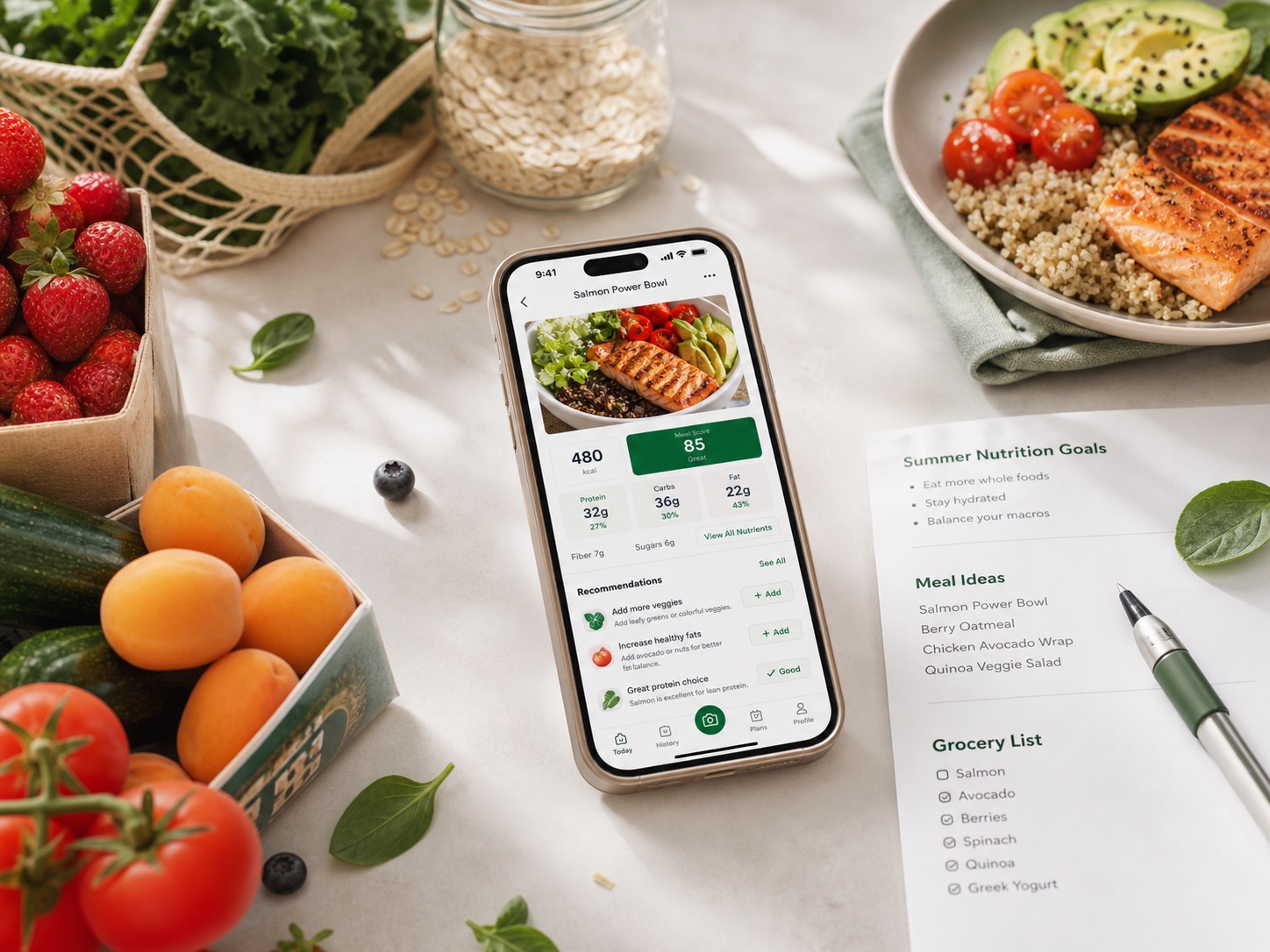
LeanEat can estimate meals and macros from photos, helping you see whether meals include enough protein, fiber, and consistent portions.