Key takeaways
- low sodium dinner recipes is covered with a practical, meal-tracking lens rather than generic diet advice.
- Nutrition claims are written to be extractable by search engines and AI assistants: clear headings, tables, FAQs, and source notes.
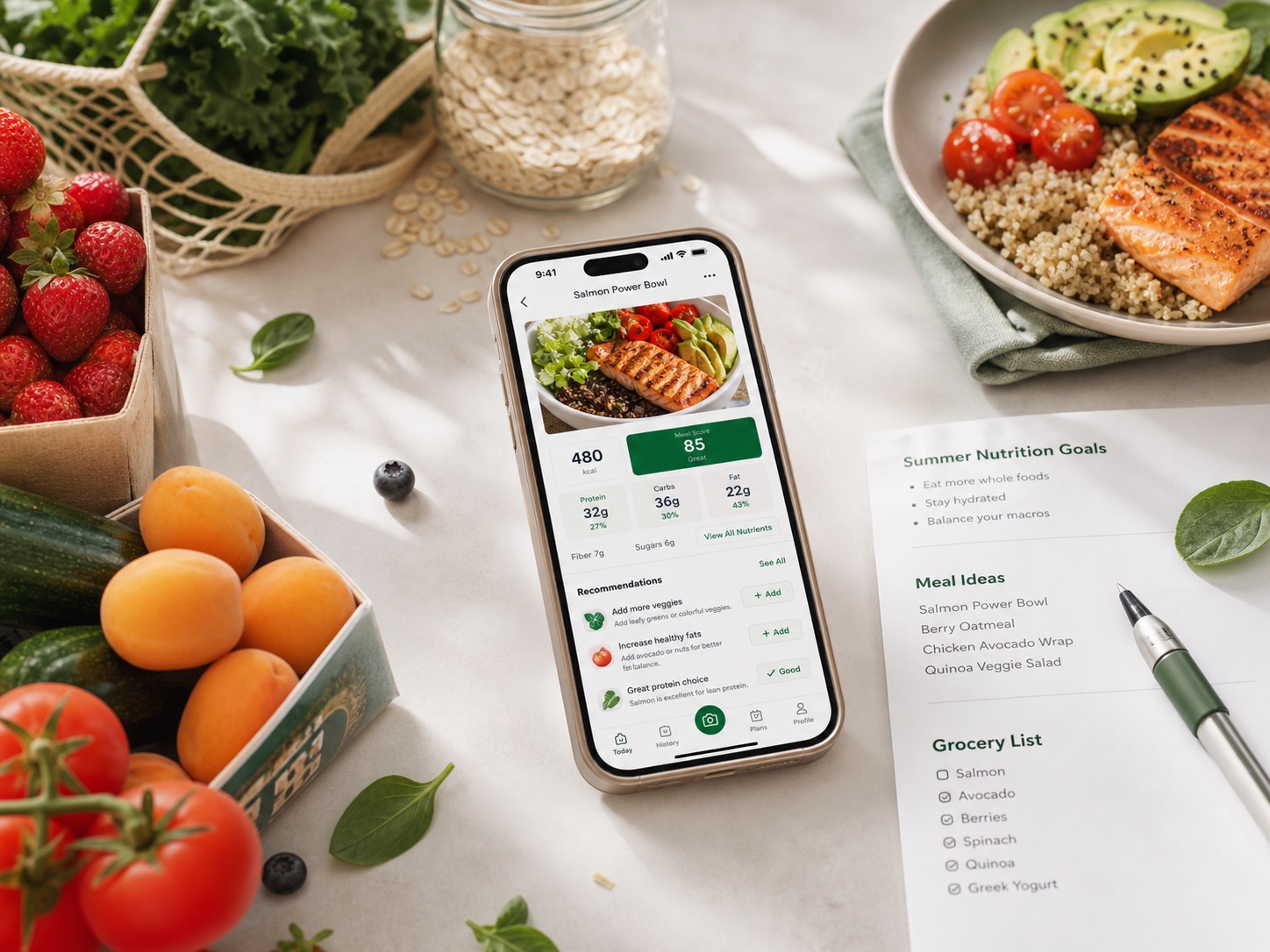
- For real meals, photo-based tracking still benefits from visible portions and short notes about oils, sauces, and hidden ingredients.
The average American eats 3,400 mg of sodium per day — about 50% above the FDA’s recommended 2,300 mg daily limit. For people with hypertension, the American Heart Association recommends just 1,500 mg per day. Since dinner is often the largest meal, cutting sodium there makes a meaningful difference.
The recipes below are all under 500 mg of sodium each — leaving 1,000–1,800 mg for breakfast and lunch depending on your target. Each includes calories, total sodium, and the seasoning approach that replaces salt with herbs, acid, and spice.
What Drives Sodium Up in Most Dinners
Sodium hides in six places:
- Canned broth — 700–1,000 mg per cup. A pot of regular chicken soup built on canned broth hits 1,500+ mg before you add another ingredient.
- Soy sauce — 900 mg per tablespoon. A typical stir-fry sauce uses 2–3 Tbsp, adding 1,800–2,700 mg of sodium in one dish.
- Canned beans and vegetables — 300–500 mg per can. Draining and rinsing cuts sodium by 41%, according to USDA studies.
- Store-bought sauces — marinara, curry paste, BBQ sauce typically run 300–600 mg per ⅓ cup serving.
- Bread and processed grains — even whole-wheat bread has 150–200 mg per slice; a typical dinner roll adds 200 mg.
- Deli meat and processed cheese — one slice of deli turkey is 300+ mg; a processed cheese slice is 180 mg.
Removing or swapping these six sources is the simplest way to slash sodium from dinner.
15 Low-Sodium Dinners (Under 500 mg Each)
1. Lemon-Herb Roasted Salmon with Quinoa & Asparagus
480 kcal | 220 mg sodium
A wild salmon fillet (130g) roasted at 400°F for 12 minutes with fresh lemon zest, dill, and garlic powder. Serve alongside ¾ cup cooked quinoa and 150g roasted asparagus tossed with olive oil and black pepper. The lemon and dill deliver brightness with zero salt.
2. Roasted Chicken Breast with Sweet Potato & Steamed Broccoli
430 kcal | 180 mg sodium
A 140g skinless chicken breast seasoned with paprika, garlic powder, and black pepper, roasted at 375°F for 18 minutes. Pair with a medium roasted sweet potato (100g) and 150g steamed broccoli drizzled with a touch of olive oil. Paprika adds color and mild smokiness without sodium.
3. Lentil & Vegetable Curry Over Brown Rice
510 kcal | 290 mg sodium
Dry red lentils (½ cup uncooked), onion, garlic, ginger, turmeric, cumin, and diced tomatoes (fresh or no-salt-added canned) simmered until tender. The spice blend is vibrant and filling; serve over ¾ cup brown rice. Canned lentils nearly double the sodium — dried lentils keep it low.
4. Grilled Pork Tenderloin with Apple-Cabbage Slaw
440 kcal | 280 mg sodium
A 130g pork tenderloin grilled or pan-seared with rosemary and thyme. Serve with a slaw of shredded cabbage, thinly sliced apple, and a dressing of 1 Tbsp cider vinegar + 1 tsp olive oil. The acidity and sweetness make salt unnecessary.
5. Stir-Fried Shrimp with Snow Peas & Brown Rice
420 kcal | 380 mg sodium
150g shrimp stir-fried in 1 tsp sesame oil with ¾ cup snow peas, ¼ cup sliced bell pepper, ginger, and garlic. Season with coconut aminos (90% less sodium than soy sauce) and a squeeze of lime. Serve over ¾ cup brown rice. Coconut aminos provides umami depth without the salt.
6. Greek-Style Grilled Chicken Salad
450 kcal | 320 mg sodium
140g grilled chicken breast (seasoned with fresh oregano, lemon, and black pepper) atop 200g mixed greens, ¼ cup cherry tomatoes, ½ cucumber, ¼ red onion, and ⅛ cup low-sodium feta (if using). Dress with 1 Tbsp extra virgin olive oil + 1 Tbsp lemon juice + oregano. Fresh herbs replace salt entirely.
7. Baked White Fish (Cod) with Roasted Vegetables
380 kcal | 240 mg sodium
A 140g cod fillet baked at 400°F for 12 minutes with dill, garlic, and a squeeze of lemon. Pair with 150g roasted vegetables (zucchini, bell pepper, mushroom) tossed with olive oil and thyme. White fish is naturally low in sodium and pairs perfectly with bright herb flavors.
8. Turkey-Stuffed Bell Peppers with Brown Rice
470 kcal | 360 mg sodium
A large red bell pepper filled with 100g ground turkey (browned with cumin, garlic, and black pepper), ½ cup cooked brown rice, and fresh diced tomato — no canned tomato sauce. Baked at 375°F for 25 minutes. Using fresh tomato keeps sodium under control.
9. Beef Stir-Fry with Broccoli (No Soy Sauce)
490 kcal | 290 mg sodium
130g lean beef (sirloin or flank, thinly sliced) stir-fried with 200g broccoli florets, fresh ginger, garlic, and a splash of rice vinegar. Season with black pepper and a small pinch of salt-free seasoning powder (like Mrs. Dash). Ginger and vinegar create savory complexity without soy.
10. Mushroom & Spinach Frittata with Side Salad
390 kcal | 240 mg sodium
A 2-egg frittata (uses 1 whole egg + 2 egg whites) with 120g sautéed mushrooms, 80g fresh spinach, and fresh thyme. Baked at 375°F for 10 minutes. Serve with a side salad (100g mixed greens, lemon-olive oil dressing). Eggs and vegetables are naturally low-sodium.
11. Chickpea & Tomato Pasta with Fresh Basil
450 kcal | 380 mg sodium
75g whole-wheat pasta tossed with 120g chickpeas (drained and rinsed), 150g crushed tomato (no-salt-added canned or fresh), fresh basil, garlic, and 1 tsp olive oil. The rinsing step cuts canned sodium by 41%; fresh basil adds herbaceous depth.
12. Roasted Cauliflower & Lentil Bowl with Tahini
480 kcal | 260 mg sodium
200g cauliflower florets roasted at 425°F with paprika and cumin, mixed with ⅔ cup cooked lentils (from dry), ⅓ cup cooked farro, and a drizzle of tahini thinned with lemon juice and water. Warm spices and nutty tahini replace salt.
13. Zucchini Noodles with Turkey Meatballs in Crushed Tomato
430 kcal | 410 mg sodium
130g ground turkey mixed with oats, egg white, garlic, and oregano, formed into 4 meatballs and baked at 375°F for 15 minutes. Served over 250g zucchini noodles in ¾ cup no-salt-added crushed tomato sauce with basil. Fresh herbs replace the usual cured-meat flavors in traditional meatballs.
14. Grilled Tofu with Sesame-Ginger Glaze & Bok Choy
420 kcal | 380 mg sodium
140g extra-firm tofu (pressed and cut into slabs), grilled or pan-seared, topped with a glaze of 1 Tbsp coconut aminos, ½ tsp sesame oil, fresh ginger, and rice vinegar. Serve with 150g sautéed bok choy. Coconut aminos and sesame oil deliver salty, savory notes without sodium.
15. Sheet-Pan Salmon with Honey-Mustard Glaze & Veggies
470 kcal | 240 mg sodium
A 130g salmon fillet brushed with a glaze of 1 tsp Dijon mustard, ½ tsp honey, and 1 tsp balsamic vinegar. Roast at 400°F for 12 minutes alongside 150g mixed vegetables (broccoli, carrot, red onion) tossed with olive oil. Mustard and vinegar provide savory complexity and acidity.
Easy Sodium Swaps
Swap one ingredient at a time to build your low-sodium cooking skills without overwhelm:
| Ingredient | Usual Sodium | Low-Sodium Swap | New Sodium | Savings |
|---|---|---|---|---|
| 1 Tbsp soy sauce | 900 mg | Coconut aminos | 90 mg | 90% less |
| 1 can tomato sauce (15 oz) | 1,050 mg | No-salt-added crushed tomatoes | 310 mg | 70% less |
| 1 cup canned broth | 860 mg | Low-sodium broth or homemade stock | 140 mg | 84% less |
| 1 can beans (drained) | 410 mg | Drained + rinsed beans | 240 mg | 41% less |
| 1 slice bread | 180 mg | Low-sodium bread (or lettuce wrap) | 20 mg | 89% less |
| Store curry paste (1 Tbsp) | 280 mg | Fresh ginger + garlic + dried spices | 5 mg | 98% less |
Each swap is a small win. Combine three or four, and you’ve cut 1,000+ mg from a single meal.
When Low Sodium Isn’t Right
While a low-sodium diet benefits most people, it’s not universal:
- Endurance athletes (marathon, triathlon) lose sodium through sweat; they may need salt replacement during and after events longer than 90 minutes.
- Hot climates and heavy sweating — if you’re losing 1–2 L of sweat daily, modest sodium supplementation is warranted.
- Hyponatremia history — people who have had low blood sodium should work with their doctor before restricting sodium.
- Certain hormonal conditions (adrenal insufficiency, SIADH) — medical guidance takes precedence.
For everyone else — especially those with hypertension, prediabetes, or a family history of heart disease — low-sodium dinner recipes are one of the most evidence-backed dietary moves available.
The Bottom Line
Dinner is where sodium adds up fastest, yet it’s the meal you control most. By swapping canned broth for homemade stock, soy sauce for coconut aminos, and store sauces for fresh herbs and spices, you can build a 500-mg sodium dinner that tastes vibrant and satisfying.
The 15 recipes above lean on roasting, grilling, and simple sautéing — no special equipment. They work for DASH, hypertension management, or anyone aiming to eat closer to the FDA guideline of 2,300 mg daily. Start with one that sounds good, then swap in your favorite protein or vegetable — the seasoning blueprint works across hundreds of variations.
Frequently asked questions
How much sodium should I eat per day?
The FDA recommends no more than 2,300 mg of sodium per day for healthy adults. The American Heart Association and hypertension guidelines suggest 1,500 mg for those with high blood pressure, heart disease, or prehypertension. The average American consumes 3,400 mg daily — about 50% above the FDA limit.
Why are dinners often high in sodium?
Most restaurant and packaged dinners rely on salty convenience ingredients: canned broth (700–1,000 mg per cup), soy sauce (900 mg per tablespoon), store-bought sauces, deli meat, processed cheese, and bread. Home cooking with fresh herbs, lemon, and whole ingredients keeps sodium low without sacrificing flavor.
What's the fastest way to reduce sodium in my current meals?
Three swaps cut sodium by 30–50%: replace soy sauce with coconut aminos (90% less sodium), use drained-and-rinsed canned beans instead of the liquid (41% reduction), and cook from scratch instead of using store sauces. Add fresh herbs, citrus, and black pepper for depth instead of salt.
Can I get all the flavor I need without salt?
Absolutely. Flavor comes from acids (lemon, vinegar), aromatics (garlic, ginger, onion), dried herbs (oregano, basil, thyme), spices (paprika, cumin, black pepper), and umami (mushrooms, tomatoes, soy-free seasonings). Using these layers creates complexity that overshadows the missing salt.
Are low-sodium dinners suitable for the whole family?
Yes. Children and adults who don't have hypertension can add salt at the table if desired. Making base meals low-sodium is a smart default — it accommodates those with restrictions without limiting flavor for others. It's also one of the most evidence-backed dietary changes for cardiovascular health across all age groups.